The First Cities — Sumer

Uruk, Ur, Lagash: humanity invents the city, writing, the wheel — and the king. Priest-rulers claim the gods gave them the land and everyone on it. Slavery is not controversial. It is the economy.
The timeline’s spine is coloured by this axis. Watch it as you travel through the centuries.
Total Statetyranny · collectivism
Libertysmall government · big individual
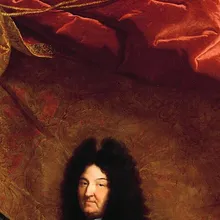
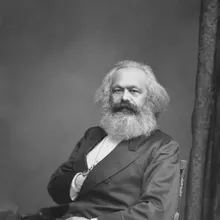
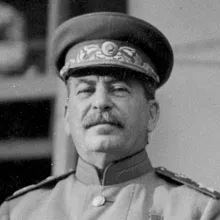


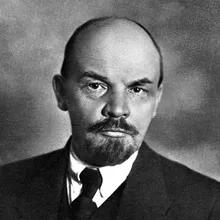
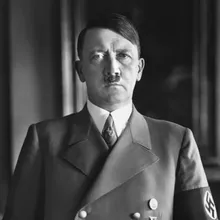
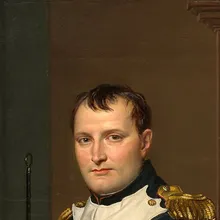
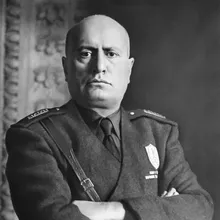
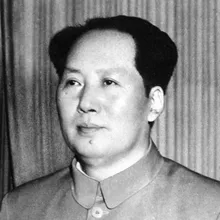
For nearly all of recorded history, the question “who rules?” had one answer: someone else. Kings, pharaohs, emperors — power concentrated, the individual owned. Liberty appeared only as a flicker: Athens for a century, Rome for a few.
Then, for one brief moment, a whole nation was founded on the opposite answer: you rule yourself. Government limited, rights unalienable, power divided and chained. This is how long that took — and how quickly, under gentler names, the old answer has been creeping back.
A declaration first: this is the West’s story, told from the West — the line from Athens and Rome through England to Philadelphia. Other civilizations have their own roads and their own tellers. This is ours.
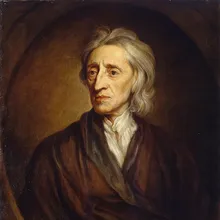

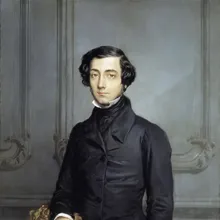
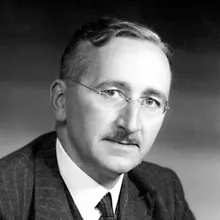
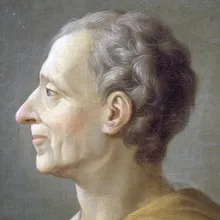
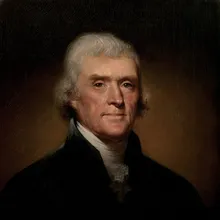
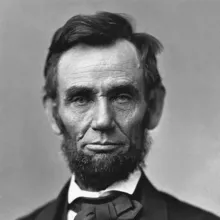

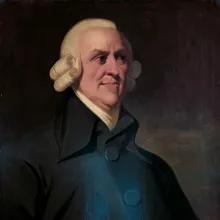
The first cities rise from the river mud. With them rise the first kings, the first taxes — and the first slaves. Freedom is not yet an idea. It is not even a word.
The common man
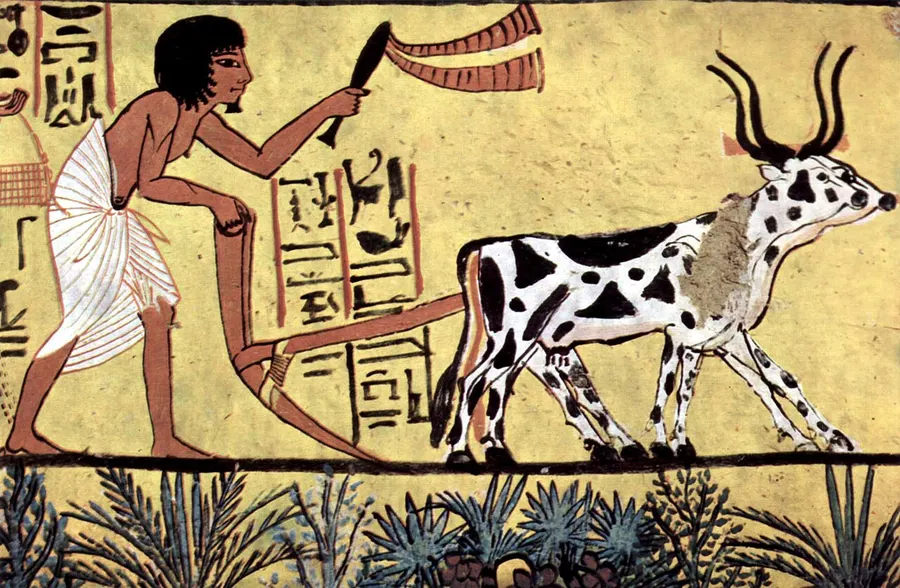
Slave
A field hand or a hauler of stone. He works the land of a god-king he will never see, and is drafted to build that king’s tomb.
Who owns his labour Pharaoh and the temple
Uruk, Ur, Lagash: humanity invents the city, writing, the wheel — and the king. Priest-rulers claim the gods gave them the land and everyone on it. Slavery is not controversial. It is the economy.
400 years pass
16 generations. Kings come and go. The plough stays where it is.

The pharaoh is not merely a king — he is a living god. The state owns the land, the grain, the labour. Three thousand years of divine monarchy begin. It works magnificently. For the pharaoh.
1,000 years pass
40 generations. The names of the masters change. The work does not.
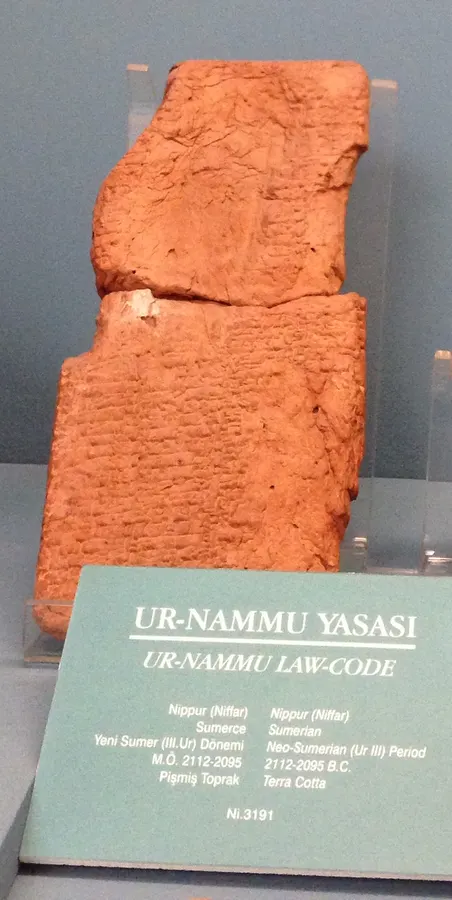
The Code of Ur-Nammu is the earliest set of laws to survive anywhere. It does not introduce slavery. It assumes it — setting the reward for returning a runaway and the fine for injuring another man’s slave. Before history can be read, people are already property.
Code of Ur-Nammu, Sumer, c. 2100–2050 BC.
350 years pass
14 generations. Born bound, died bound, and their children after them.
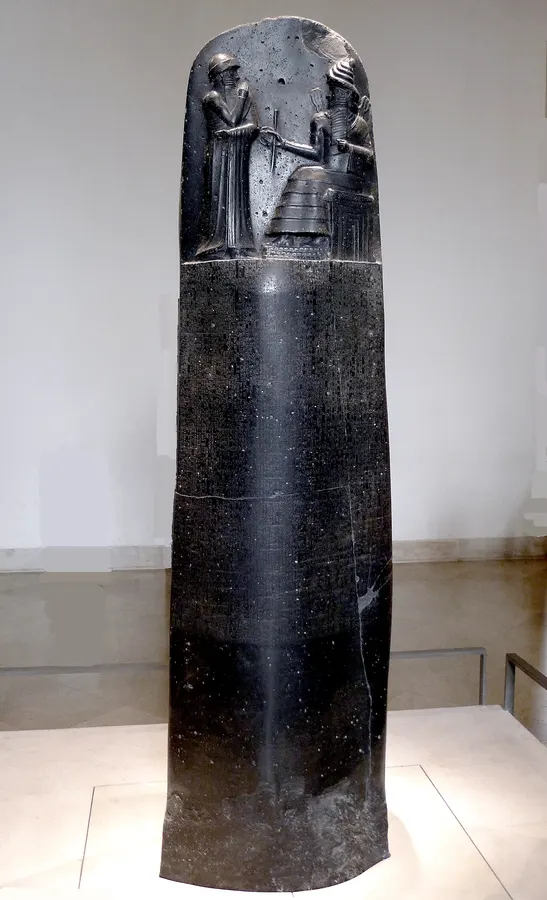
Law is written in stone for all to see — a genuine first. But note the fine print: penalties differ by class, and the king sits above the code, not under it. Rule by law is not yet rule of law.
550 years pass
22 generations. Nothing changes for the man in the field.
Within a generation, nearly every great power of the eastern Mediterranean burns. Palaces fall, writing is forgotten in Greece. A reminder that civilization is not a possession but a practice.
Bronze gives way to iron. In a few small city-states on the Aegean, men begin to ask a dangerous question: by what right does one man rule another?
The common man
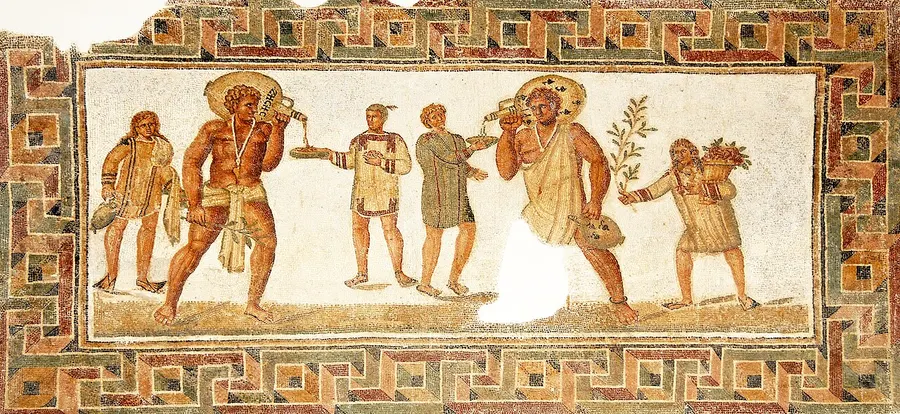
Slave
Captured in war or born in the household. In Athens he mines the silver; in Rome he rows, farms, and fights in the arena. The citizens debating liberty are a small minority above him.
Who owns his labour His master
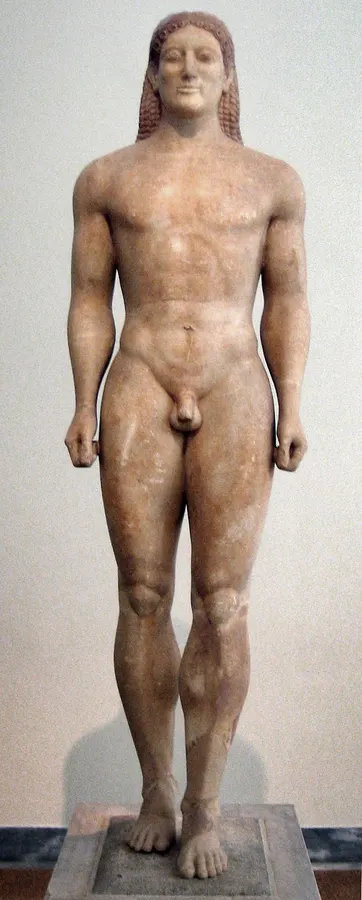
The first recorded Olympiad. Greece is not an empire but hundreds of fiercely independent poleis — a political laboratory the ancient world has never seen before. Experiments will follow.
Sparta conquers its neighbours in Messenia and turns an entire people into helots — serfs owned by the state, bound to the land, far outnumbering the citizens they feed. Each year Sparta formally declares war on them, so that killing one is no crime. The “free” Greek city rests on this.
Herodotus, Histories 9.28; Plutarch, Life of Lycurgus 28.
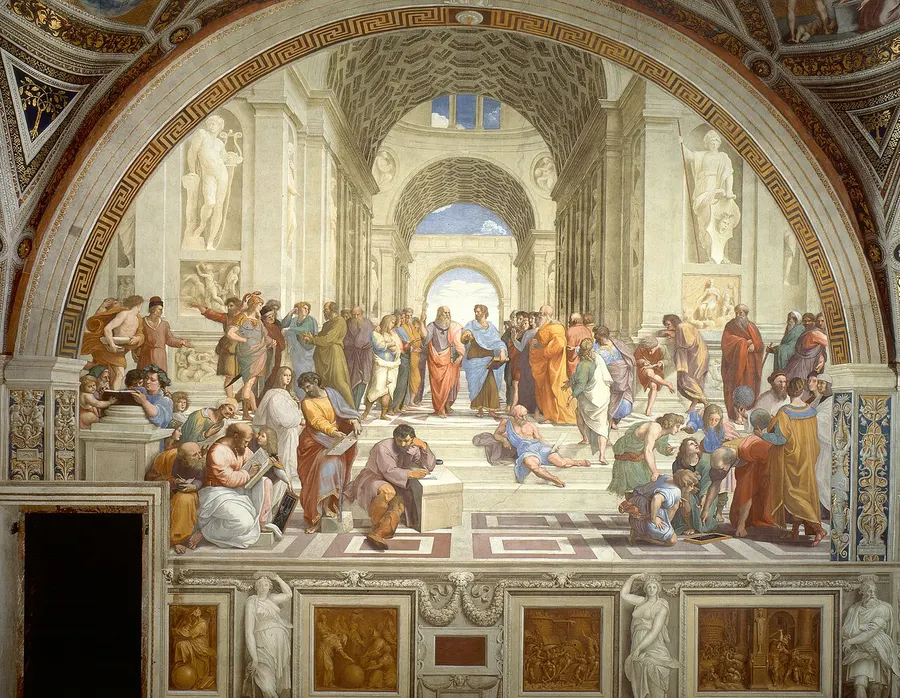
Thales predicts an eclipse using reason, not omens. Greeks begin explaining the world without recourse to gods or kings. Once you question nature, questioning rulers is only a matter of time.
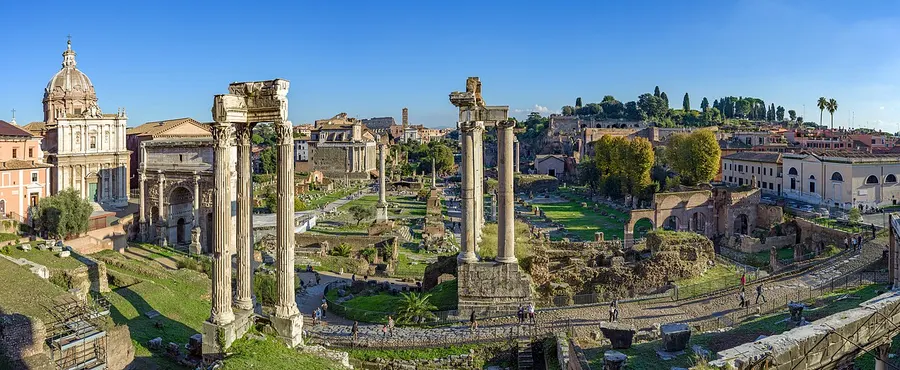
The Romans throw out Tarquin the Proud and swear never again to be ruled by one man. Consuls, Senate, term limits, veto — the machinery of divided power is invented here.
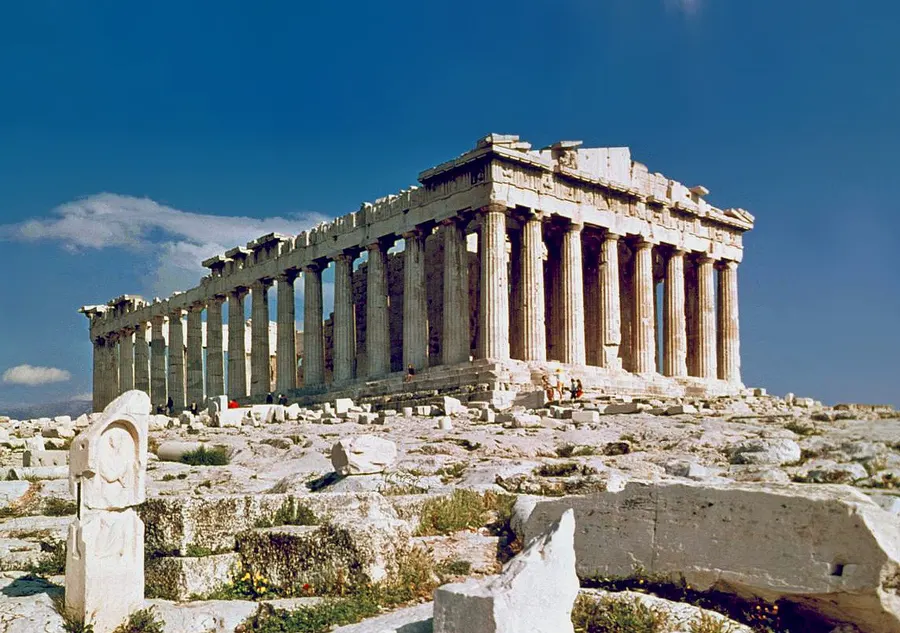
Cleisthenes gives Athens rule by the demos — citizens vote directly on law and war. Radical, dazzling, and narrow: no women, no slaves, no foreigners. Roughly one resident in five gets a voice.
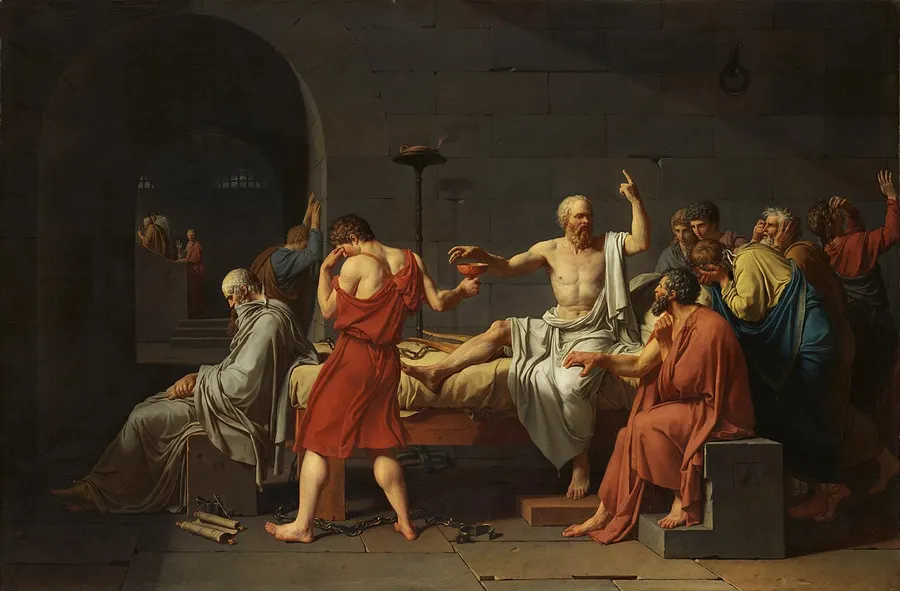
Athens, the great democracy, votes to execute its greatest mind for asking questions. A lesson filed away for later: majorities can be tyrants too. Liberty needs more than voting.
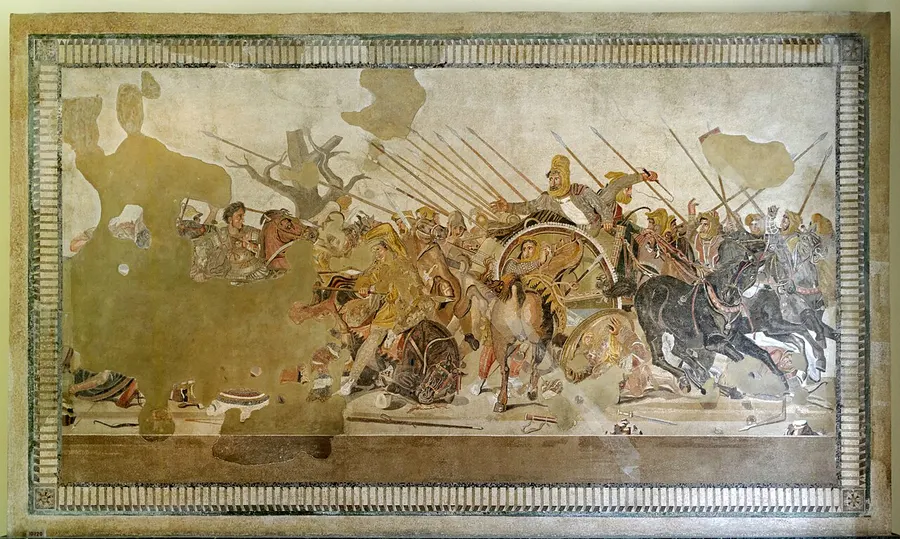
A Macedonian in his twenties conquers everything from Greece to India, spreading Hellenic culture at spear-point. He is declared a god, which settles the constitutional question.
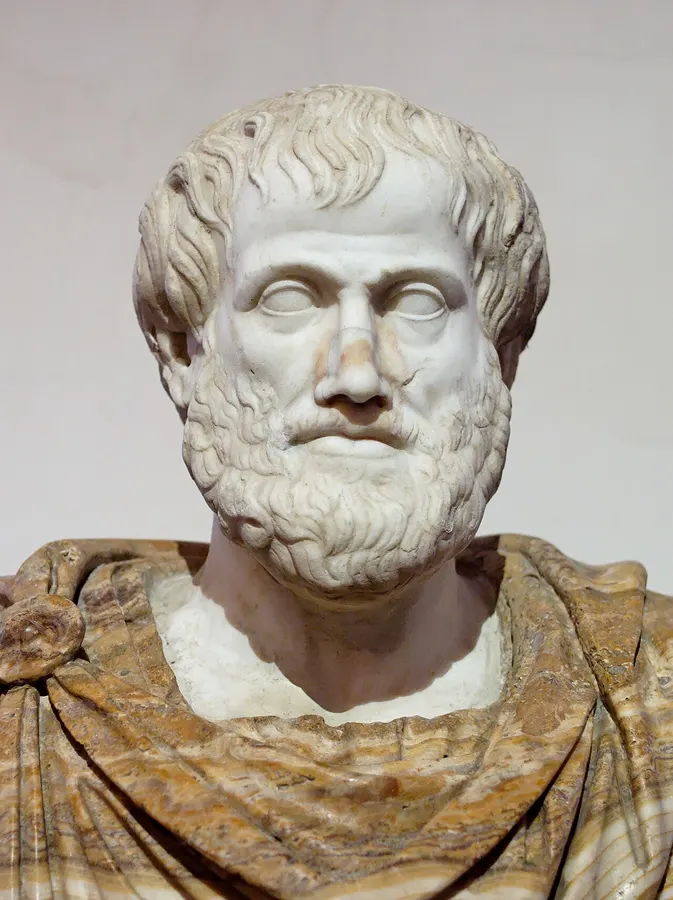
The first systematic comparison of constitutions. Aristotle classifies governments by who rules and for whose benefit — and warns that every pure form decays. The syllabus for every founder since.
260 years pass
10 generations. Nothing changes for the man in the field.
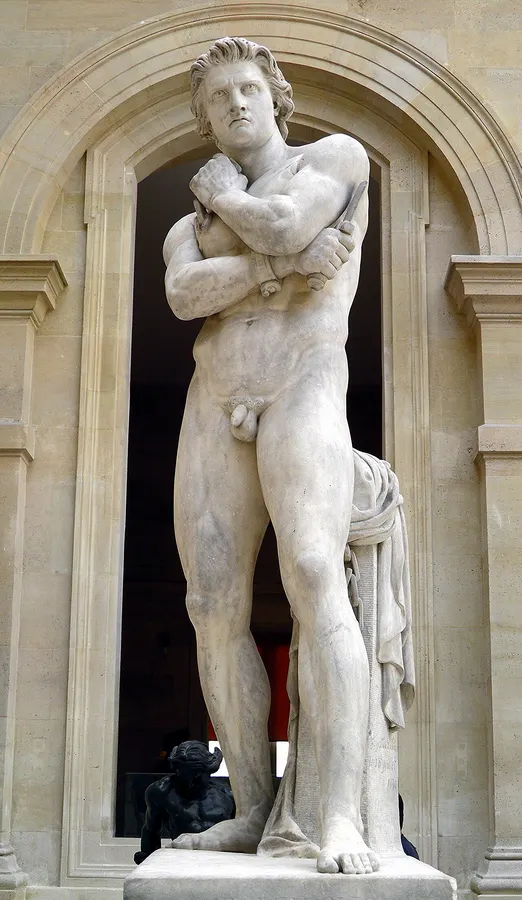
A gladiator leads tens of thousands of escaped slaves against Rome and beats legion after legion for two years. When the revolt is finally crushed, some six thousand survivors are crucified along the Appian Way, from Capua to Rome. By this time perhaps a third of Italy is enslaved.
Appian, Civil Wars 1.120. Share of Italy enslaved is a modern estimate and debated (roughly 15–35%).
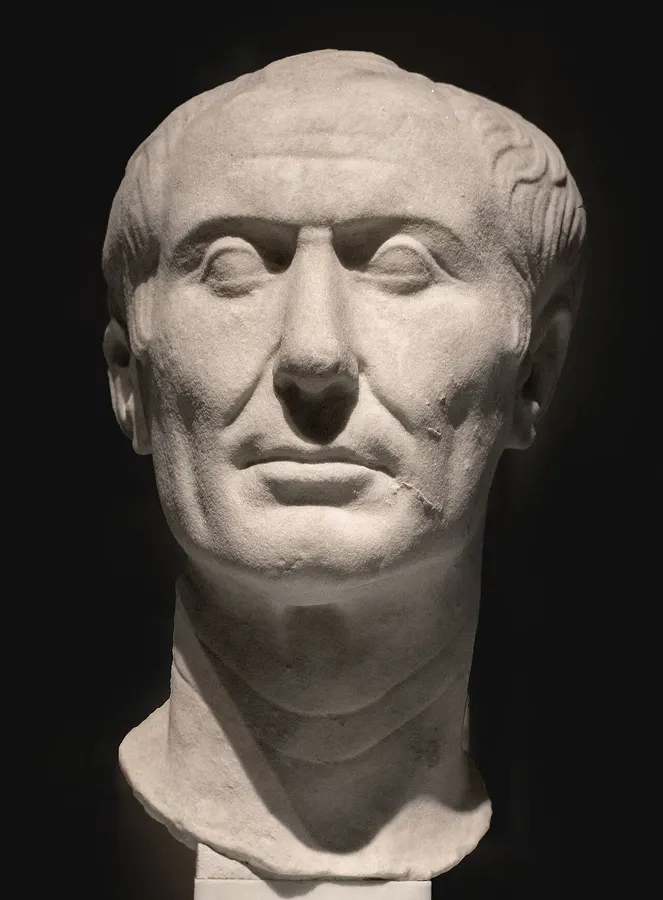
After 460 years, the Republic dies of its own success — too big, too rich, too corrupt, its norms hollowed out one exception at a time. Republics, it turns out, are rarely conquered. They are surrendered.
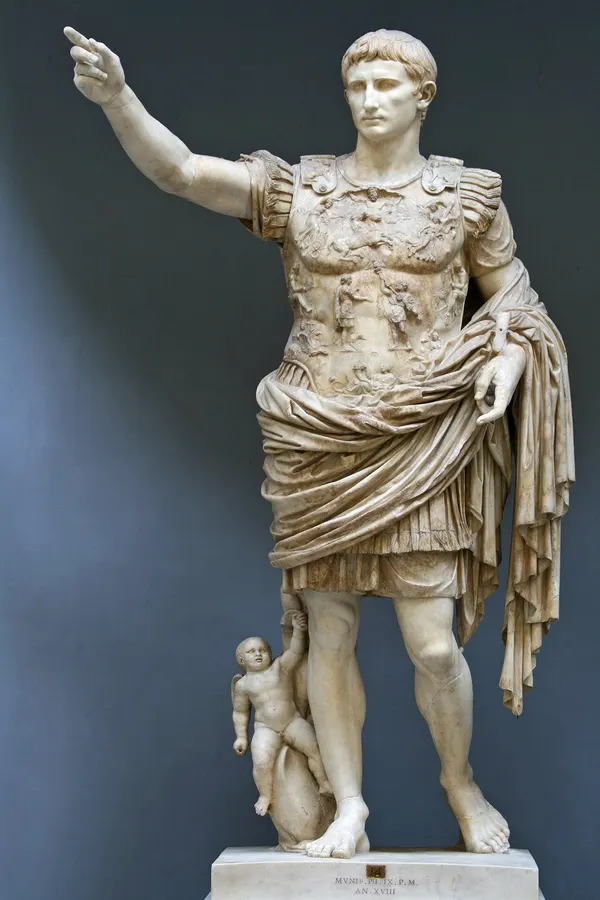
Augustus keeps the Senate, the elections, the republican titles — and quietly takes all the power. The forms of liberty outlive the substance by centuries. Remember this move; it recurs.
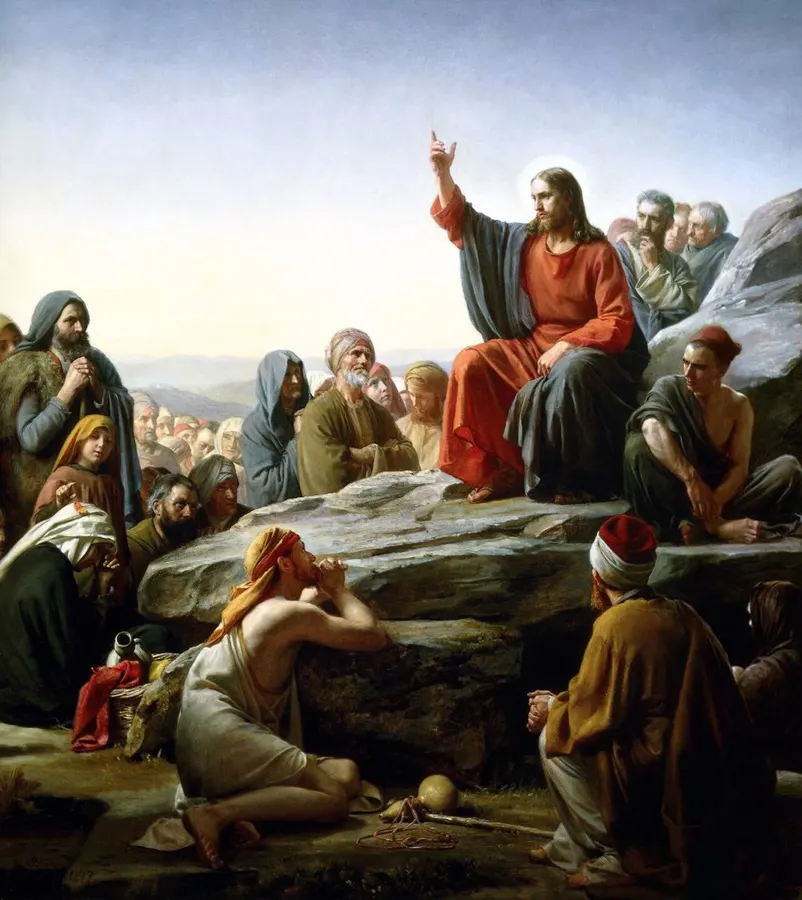
A crucified carpenter’s movement teaches that slave and emperor stand equal before God, and that Caesar’s claim on you has limits. The idea of the individual — sacred, rights-bearing — is planted here.
450 years pass
18 generations. Nothing changes for the man in the field.
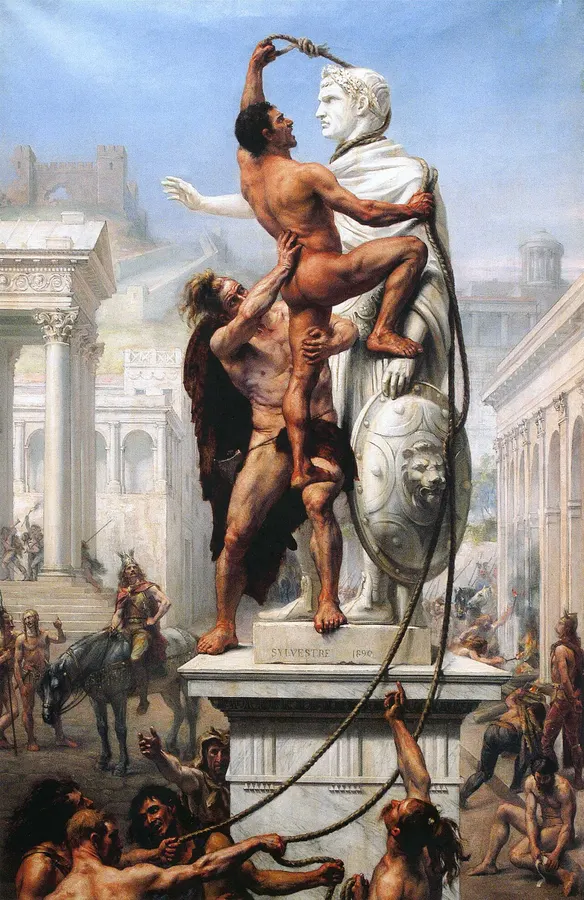
The last western emperor is quietly retired by a Germanic general. Roads decay, cities shrink, literacy retreats to the monasteries. Europe fragments — which, oddly, will one day prove useful.
Rome falls and the lights dim. Kings rule by the grace of God, serfs are bound to the soil — yet in charters, parliaments, and free cities, the first cracks appear in the wall of absolute power.
The common man
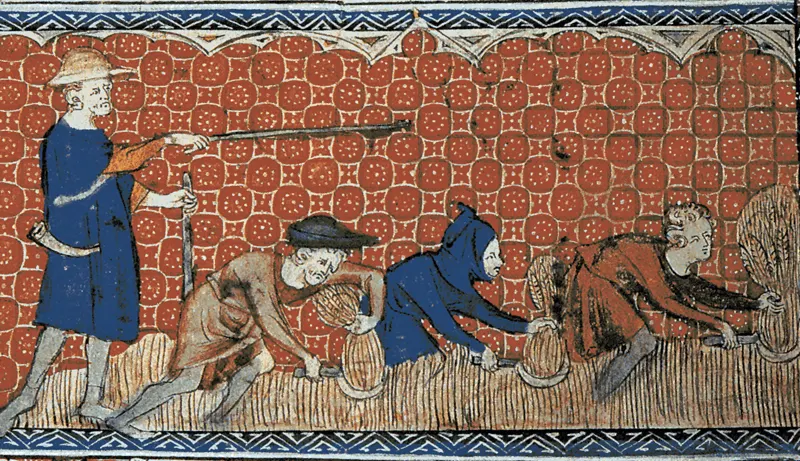
Serf
Bound to the soil he was born on. He may not leave, marry, or mill his own grain without his lord’s leave, and owes days of labour every week.
Who owns his labour His lord
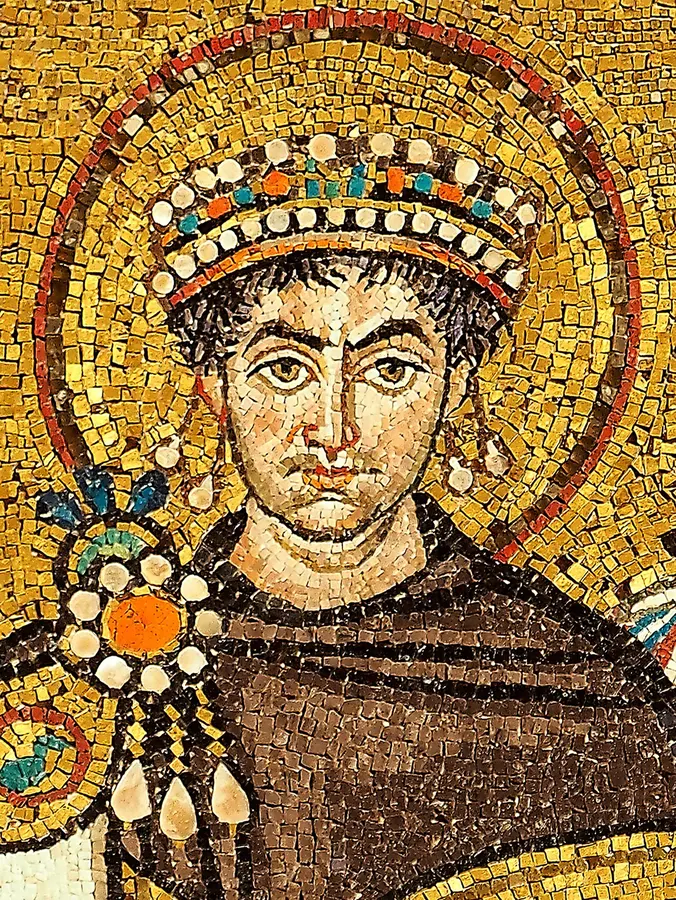
The Eastern Empire codifies a thousand years of Roman law. Buried inside: concepts of contracts, property, and legal personhood that Europe will rediscover centuries later and build upon.
270 years pass
11 generations. Kings come and go. The plough stays where it is.
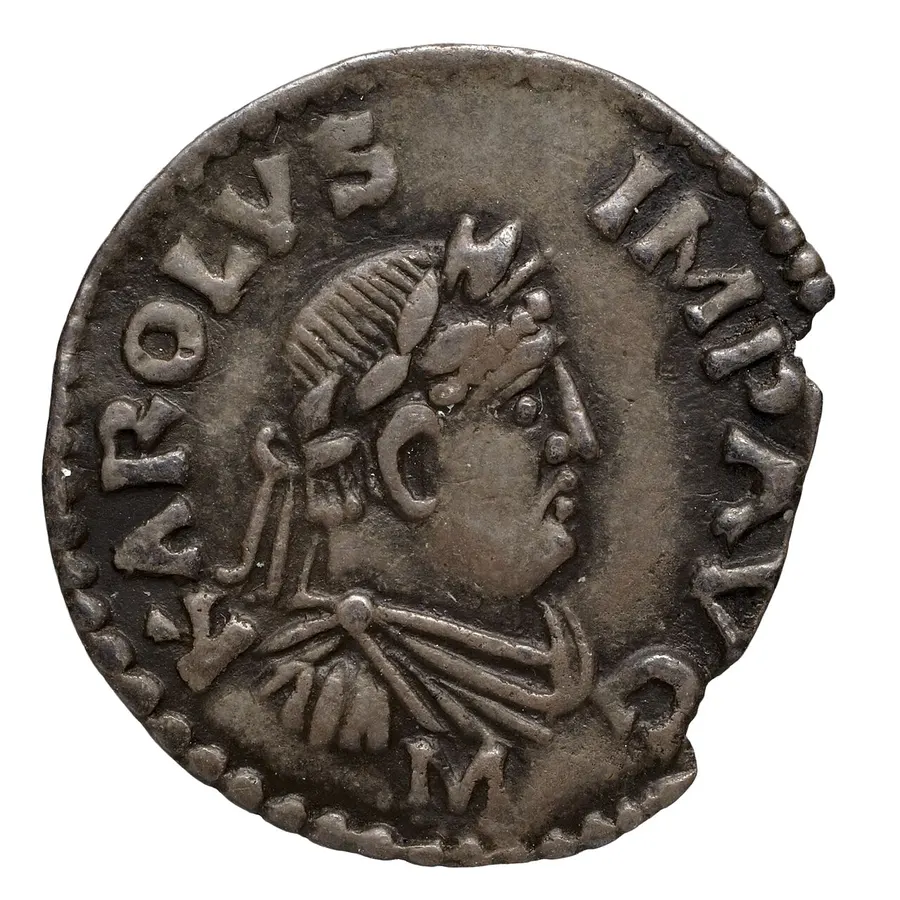
On Christmas Day the Pope crowns a Frankish king “Emperor of the Romans.” Church and crown fuse into the medieval order: power flows down from God, through kings, onto everyone else.

Norse settlers with no king establish an annual assembly of free men to make law — arguably the world’s oldest surviving parliament. A flicker of self-rule at the frozen edge of the world.
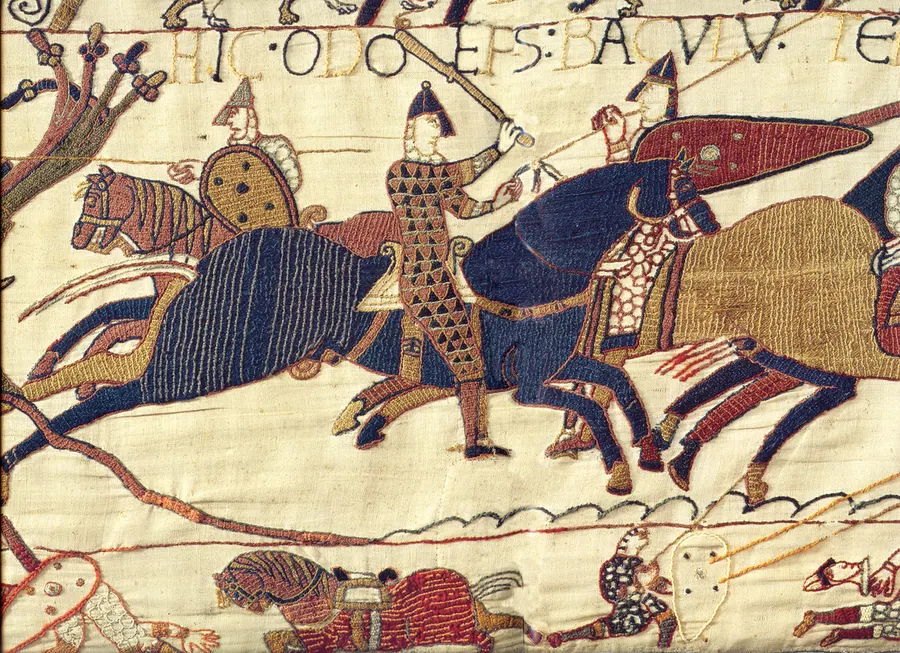
William takes England and audits it down to the last pig (the Domesday Book — history’s most thorough tax survey). Yet Norman kings must govern through law and custom. England’s long argument with its kings begins.
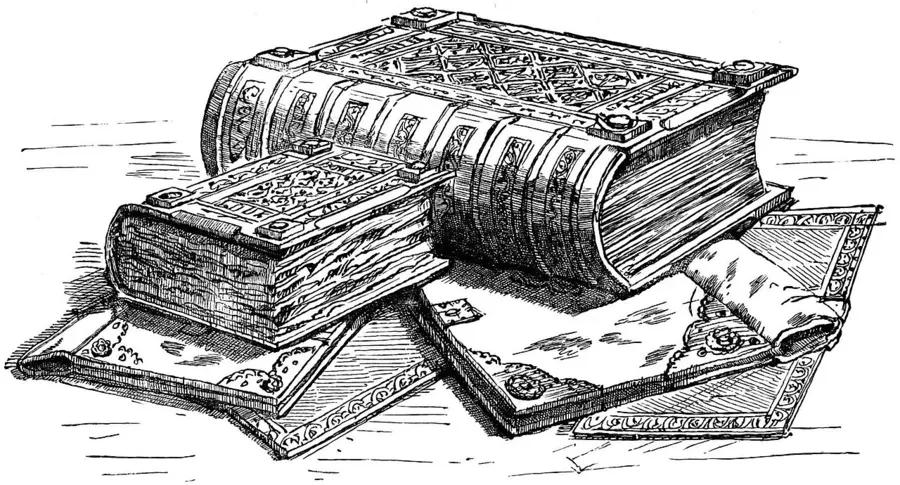
William the Conqueror has every manor in England surveyed, to know exactly what he owns. The book records about one person in ten as a slave outright. Most of the rest are villeins and cottars: not sold at market, but bound to a lord’s land and owing him their labour. The free are a minority.
Domesday Book, 1086 (roughly 10% servi; 70%+ villeins, bordars and cottars).
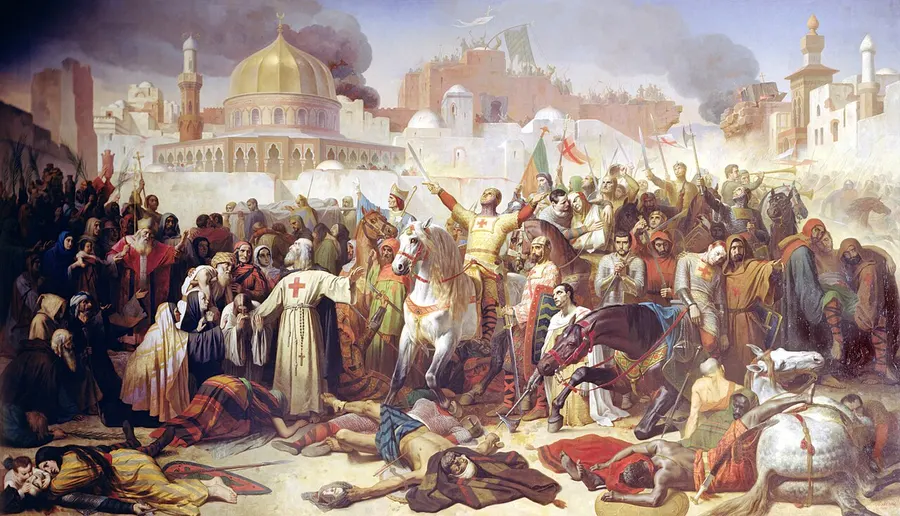
At Clermont, Pope Urban II calls the knights of Europe to retake Jerusalem; four years later they storm its walls. Whatever one makes of the cause, notice the machinery. A pope can raise armies across a continent, and kings must reckon with him. In the West, power has two heads — crown and altar — and neither ever quite swallows the other. In that gap, liberty will one day find room.
Council of Clermont, November 1095; Jerusalem taken 15 July 1099.
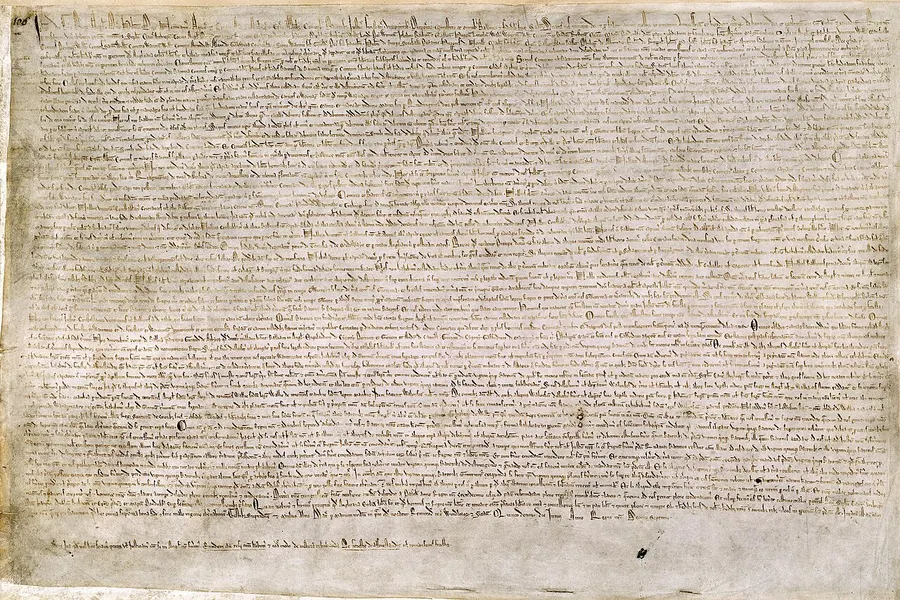
At Runnymede, armed barons force King John to concede that even the king is under the law. Most clauses concern feudal privileges — but the principle escapes its cage and never goes back in.
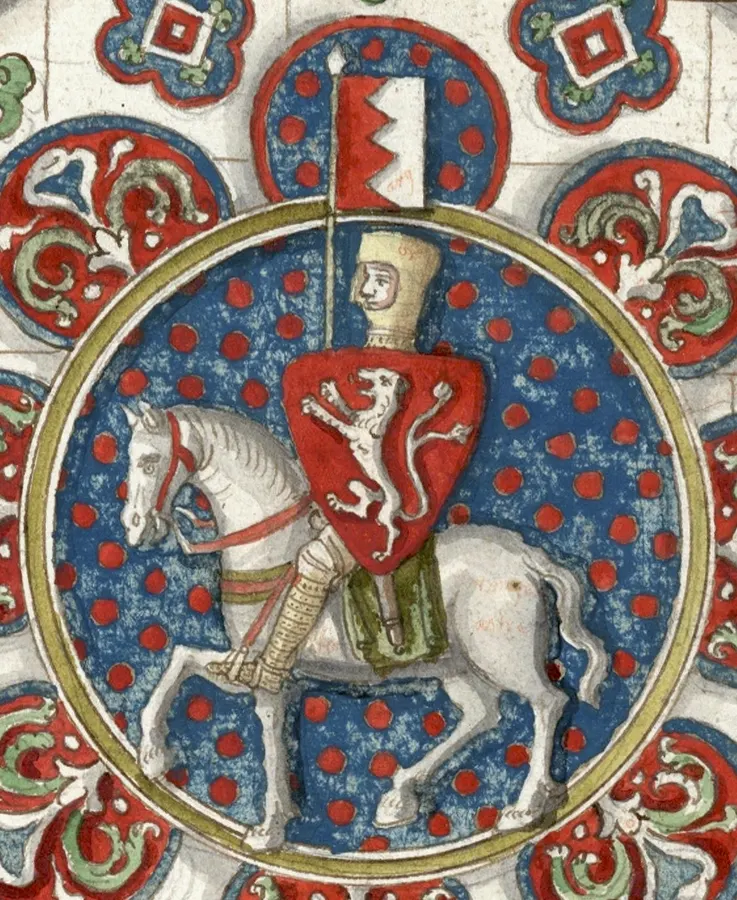
For the first time, commoners — knights and burgesses — are summoned to consent to the king’s business. The Commons is born. Kings will spend the next four centuries regretting it.
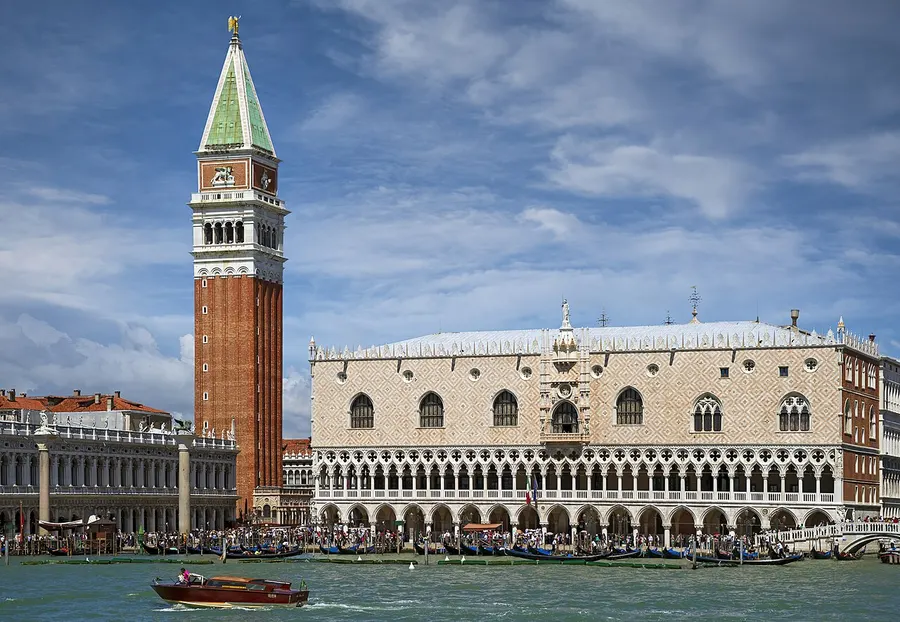
City-states run by merchants, not monarchs, grow richer than kingdoms. Elected doges, councils, banking, double-entry bookkeeping. Where trade rules, liberty tends to follow the money.
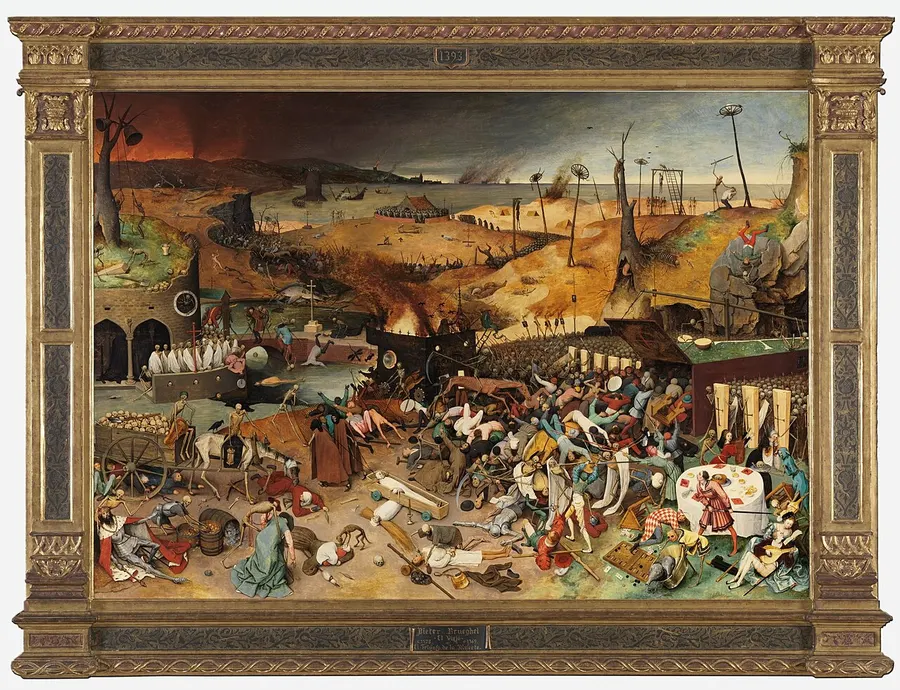
A third to half of Europe dies. Labour becomes scarce and therefore valuable; serfs walk off manors and demand wages. Feudalism never recovers. A grim accident does what no reformer could.
Print breaks the monopoly on knowledge. Conscience breaks the monopoly on faith. Merchants and republics grow rich while the Sun King builds the most absolute state Europe has ever seen.
The common man
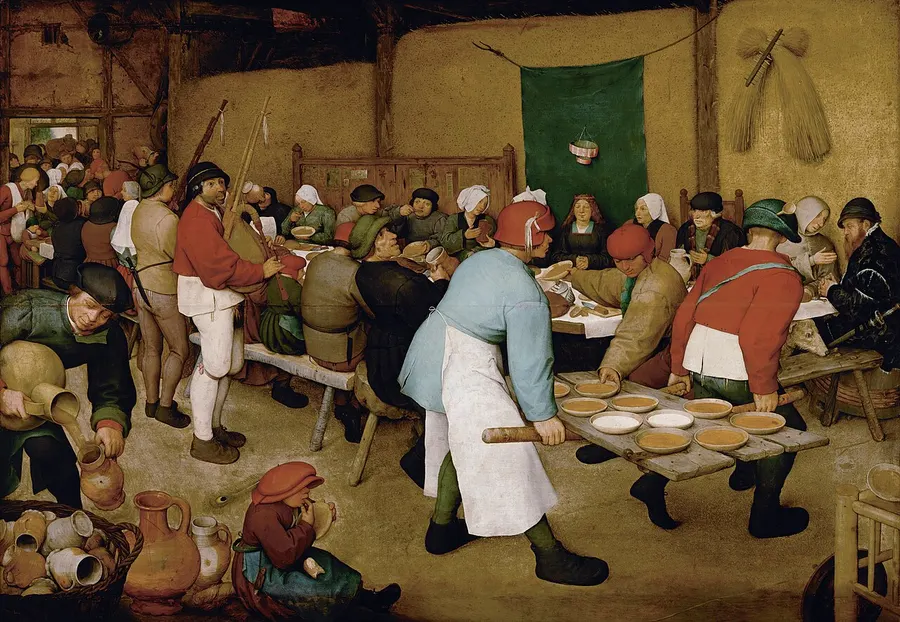
Subject
A peasant with a king above his lord. If he lives on the wrong coast, a corsair’s captive at the oar; on the wrong continent, cargo.
Who owns his labour King, landlord — or corsair
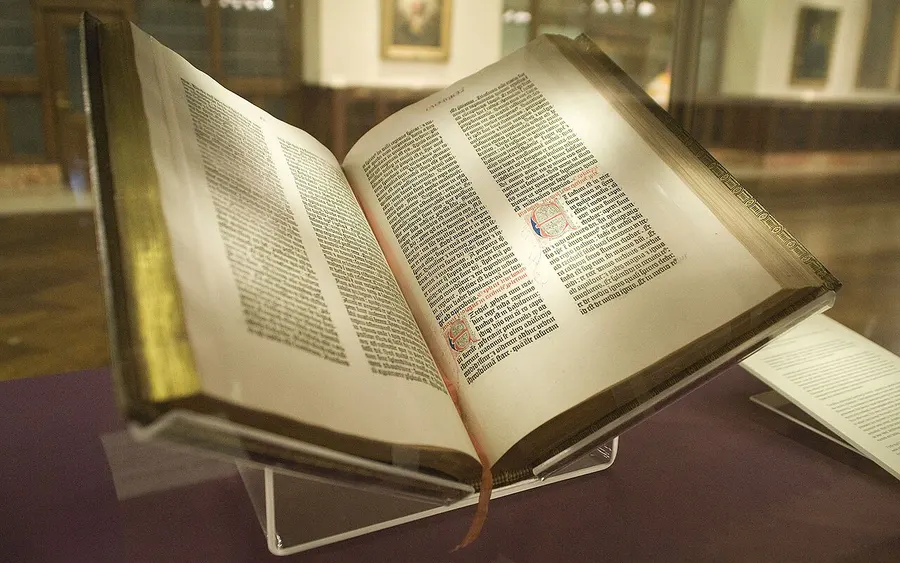
Information escapes the control of church and crown. Within fifty years there are more books than in the previous thousand. Every revolution of thought that follows rides on this machine.
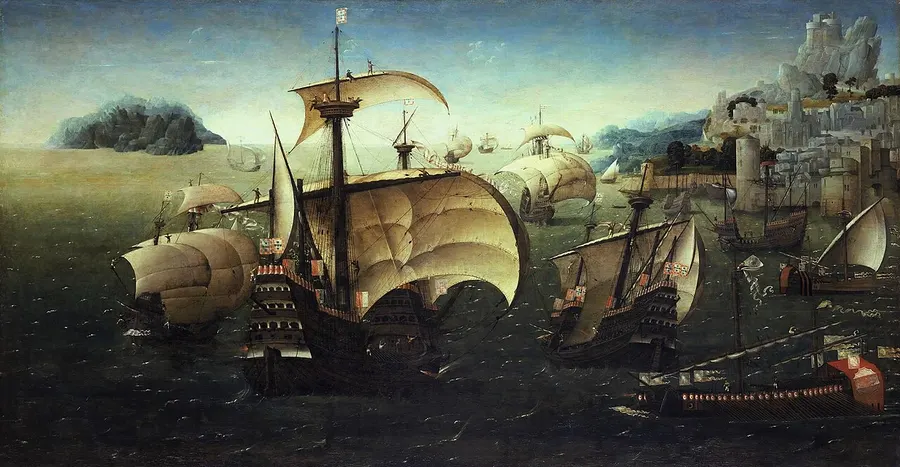
Columbus crosses the Atlantic; da Gama rounds Africa. The world becomes one system — of trade, of empire, of conquest, and of the transatlantic slave trade that will stain the coming centuries.
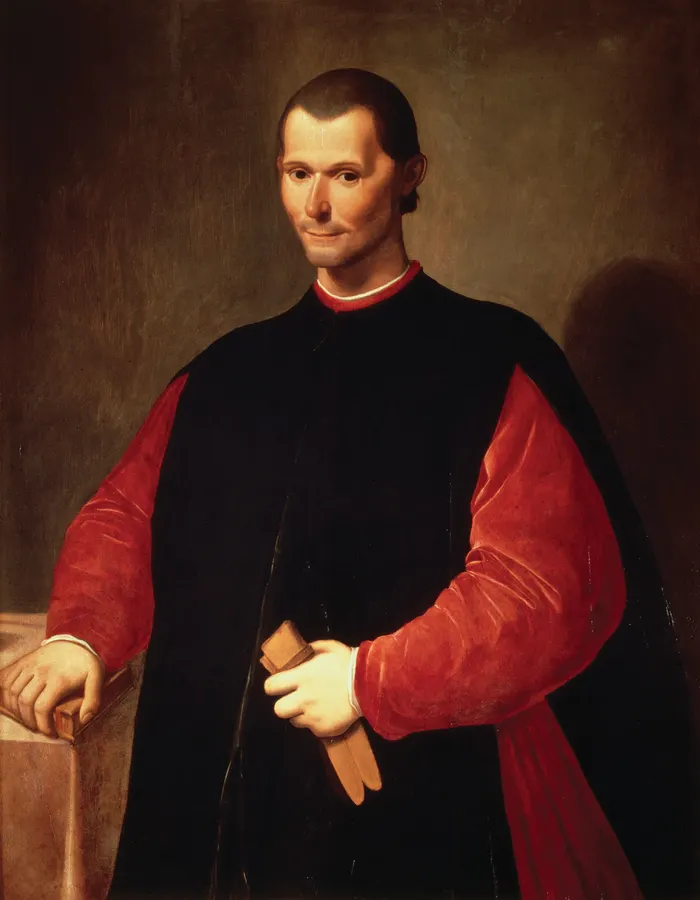
Politics analysed as it is, not as it ought to be. Power has its own logic, and rulers will follow it. Reading him is the first step toward designing systems that assume rulers cannot be trusted.
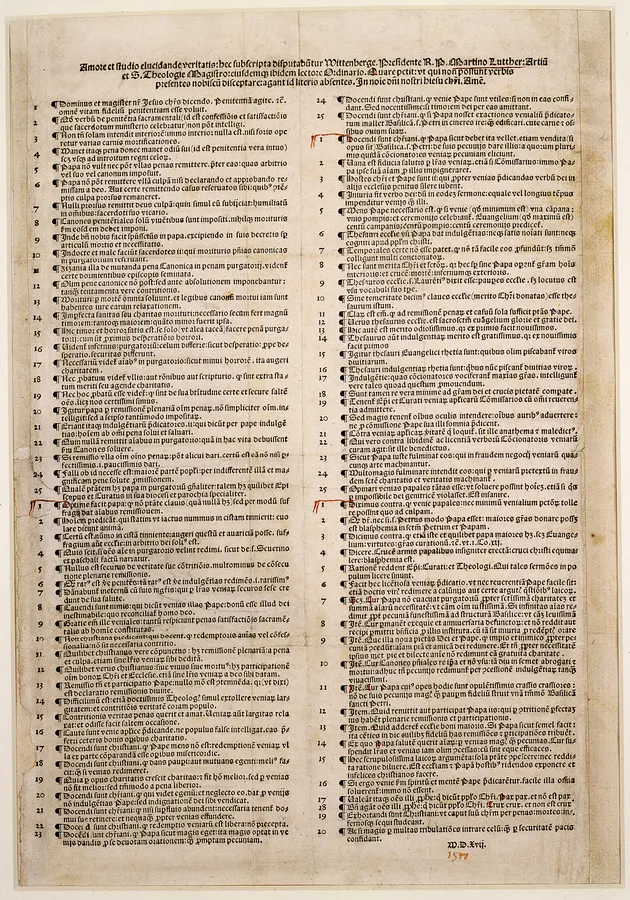
A monk with a hammer declares that conscience answers to God, not to the institution. Christendom splits; wars follow. But the precedent — the individual conscience defying authority — is priceless.
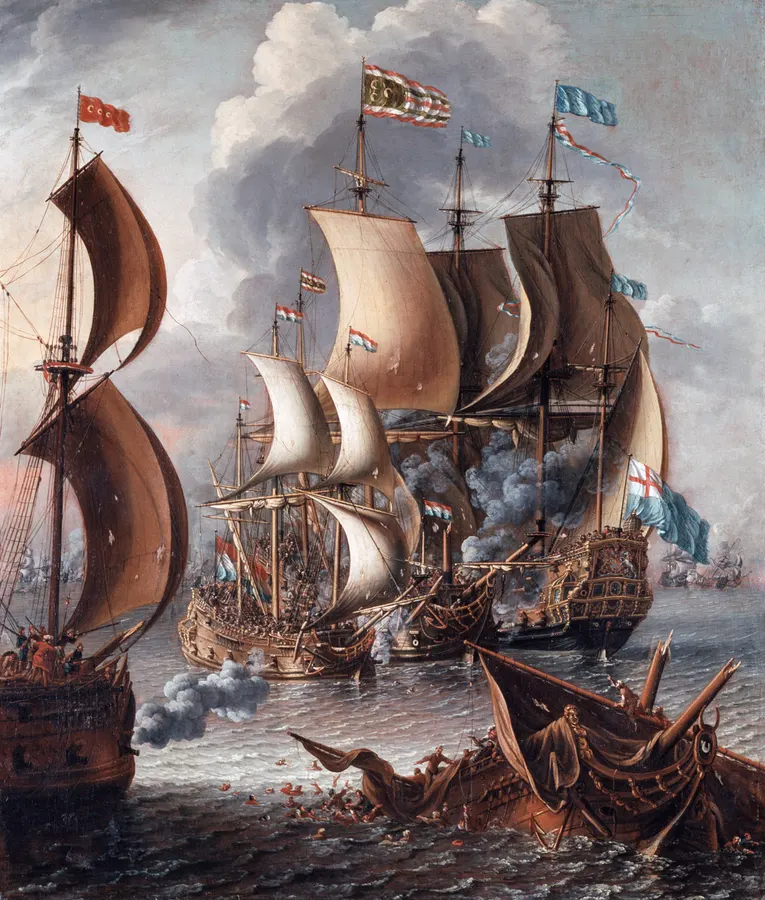
From Algiers, Tunis and Tripoli, corsairs raid the coasts of Italy, Spain, France, England, Ireland — even Iceland — carrying off whole villages. The men are chained to the oars of galleys; the rest are sold in the markets of North Africa. Slavery has never been one people’s burden or one people’s crime. It was everyone’s, everywhere.
Robert C. Davis, Christian Slaves, Muslim Masters (2003), estimates 1–1.25 million Europeans enslaved; other historians put the figure lower.
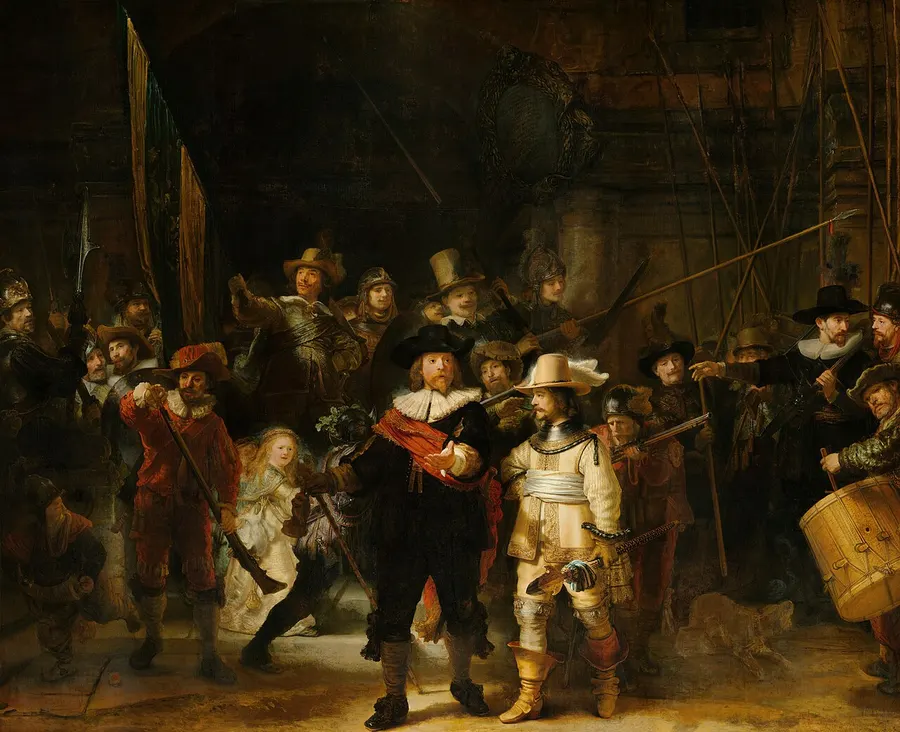
The Dutch fire their king (the Act of Abjuration reads like a first draft of 1776), form a merchant republic, invent the stock exchange, and promptly become the richest people on earth. Noted.
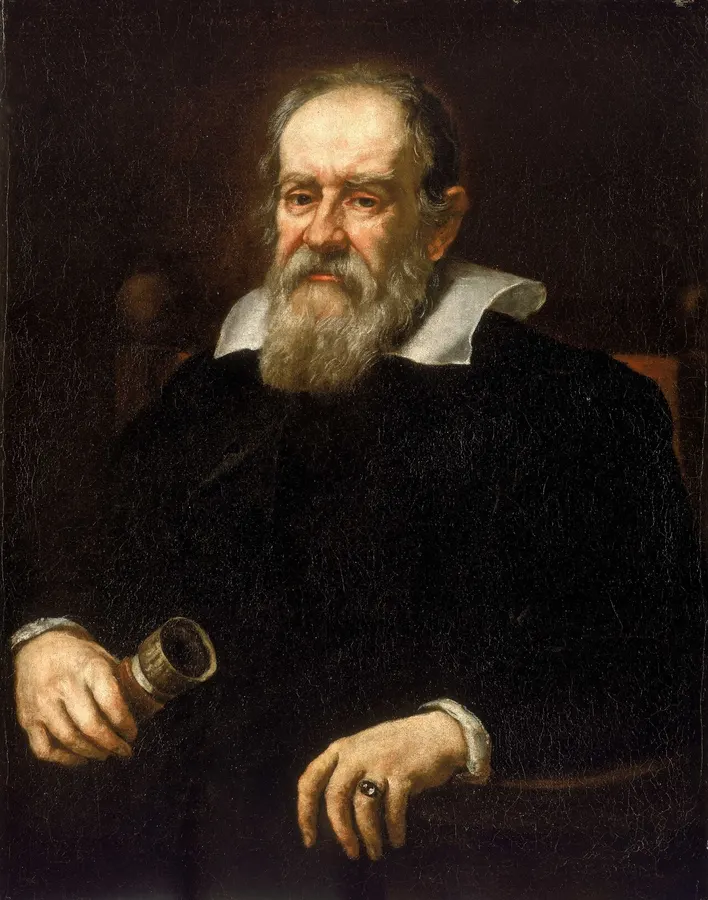
Galileo points a telescope at Jupiter and authority loses its monopoly on truth. Nature can be questioned, tested, understood. So, it will shortly occur to people, can governments.
The first Africans are sold in Virginia. Slavery is at this date universal — practiced on every inhabited continent, as it had been for all recorded history. The English colonies join a very old crime; their descendants will be among the first to end it.
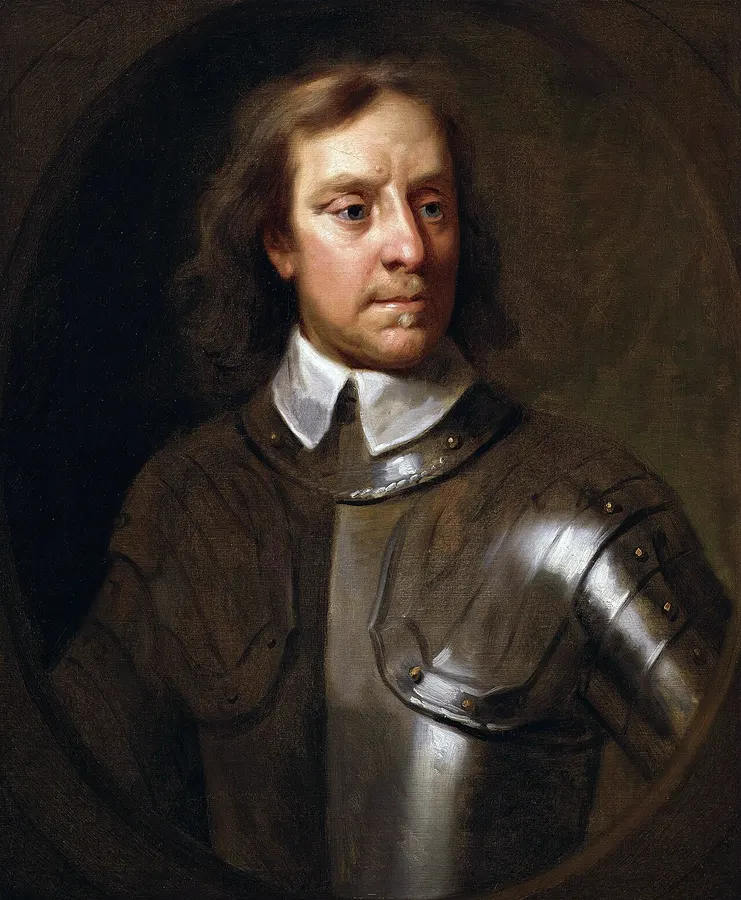
Parliament goes to war with its king and wins. At Putney, common soldiers debate whether the poorest man in England has a life to live as the greatest. Charles I loses his head; Cromwell becomes a tyrant anyway. Hard lessons, thoroughly learned.
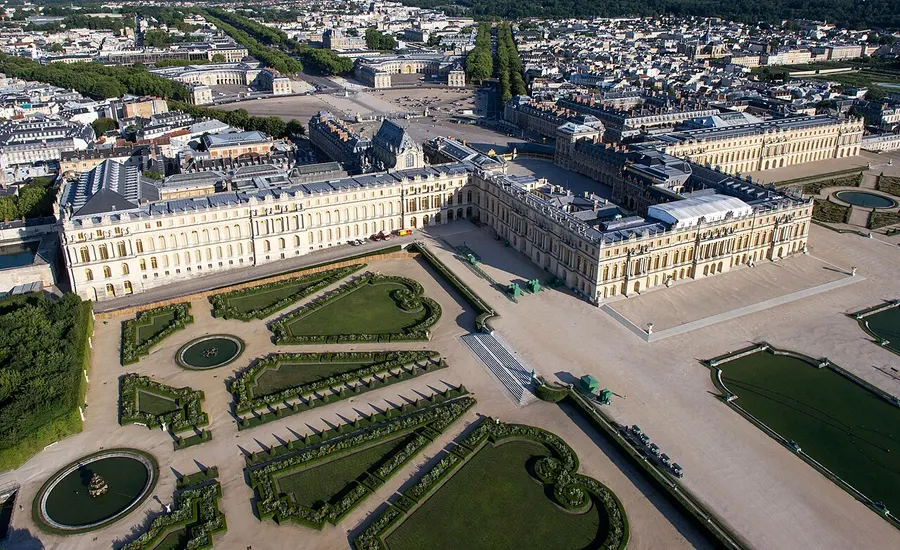
“L’État, c’est moi.” He meant it. Seventy-two years of absolute rule; the state and the man were one, and the man was not you. France centralizes everything — a habit it has never fully broken.
The sky brightens. Locke, Montesquieu, Smith. Rights come before rulers; power must be divided; markets can be free. For the first time in history, an entire nation is founded on these ideas.
The common man
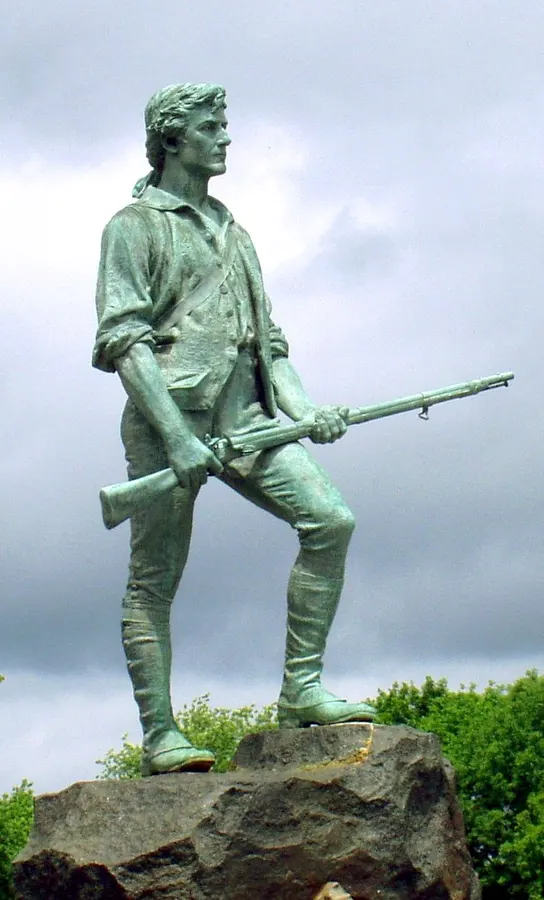
Subject → Citizen
A farmer or tradesman who can read, own land, and speak his mind — and is beginning to suspect he does not need a king. Not yet true of everyone. For the first time, true of someone.
Who owns his labour Increasingly, himself
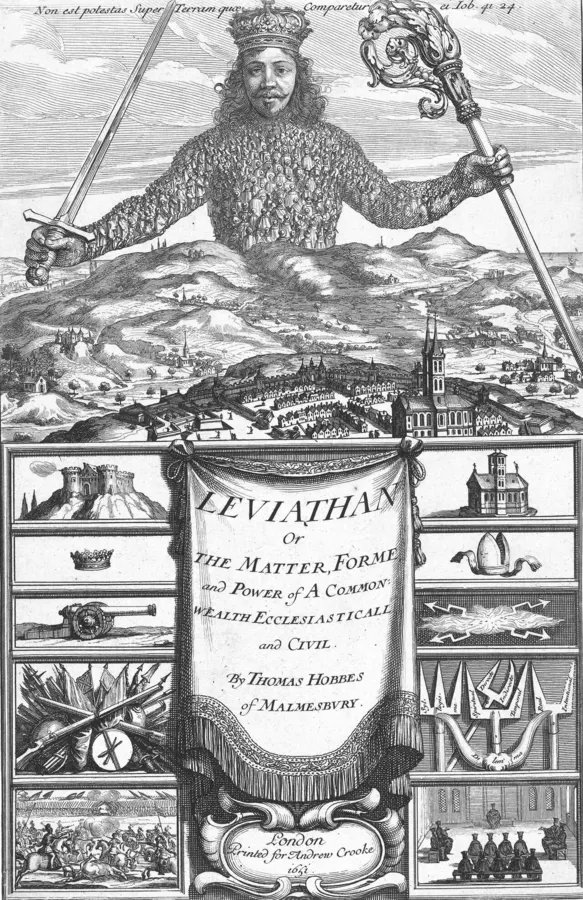
Government justified not by God but by contract: men trade obedience for order. Hobbes wanted an absolute sovereign — but he had let the genie out. If consent creates the state, consent can limit it.
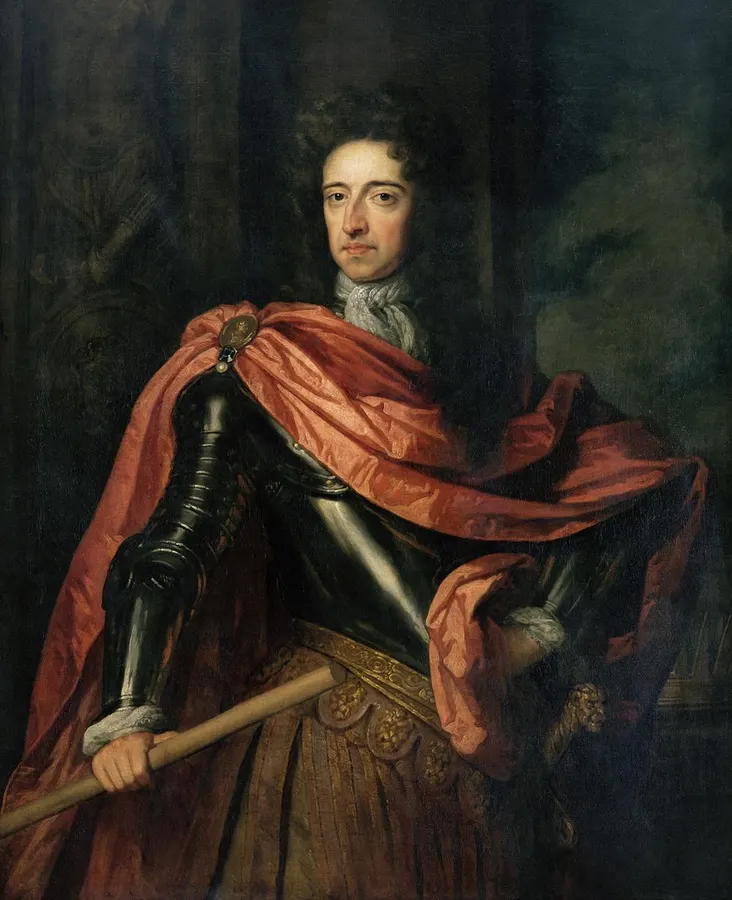
England fires another king — this time without a war — and hires a replacement on conditions. The message to every future monarch: you serve at Parliament’s pleasure.
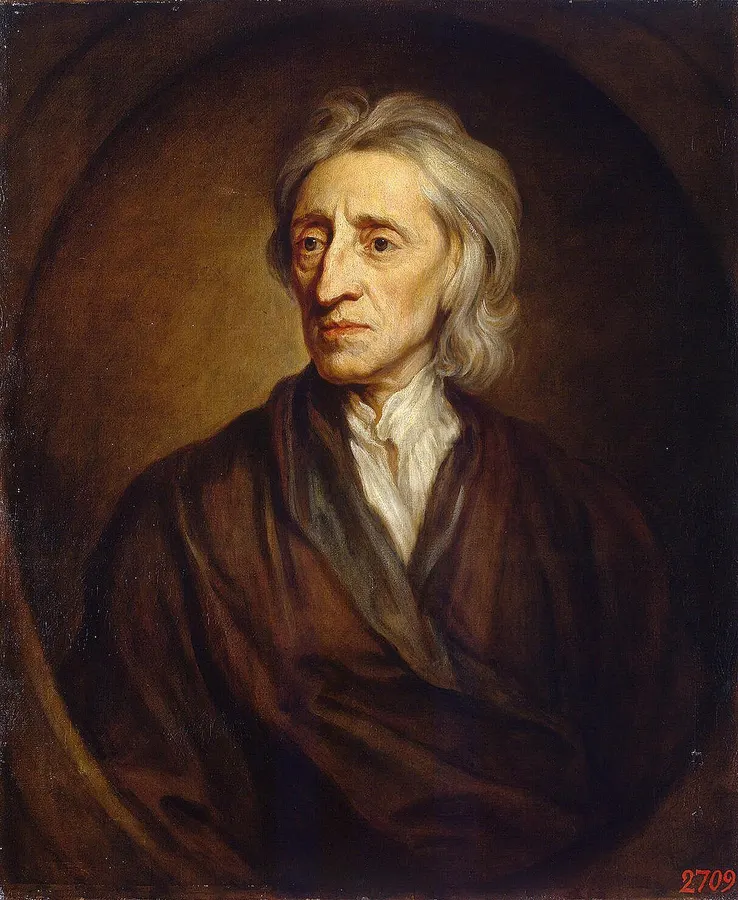
Free elections, free speech in Parliament, no standing army without consent. That same year Locke publishes his Two Treatises: life, liberty, and property are natural rights, and a government that violates them may be dissolved. The blueprint is now in print.
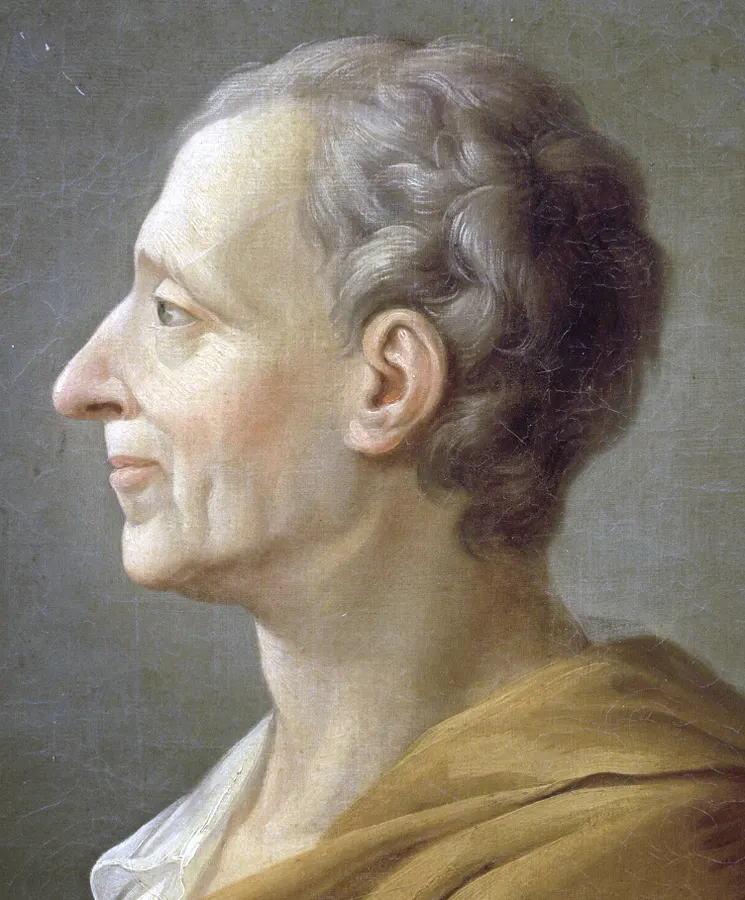
Power must check power: legislative, executive, and judicial functions separated so no one holds them all. The single most-cited author at the American Constitutional Convention.
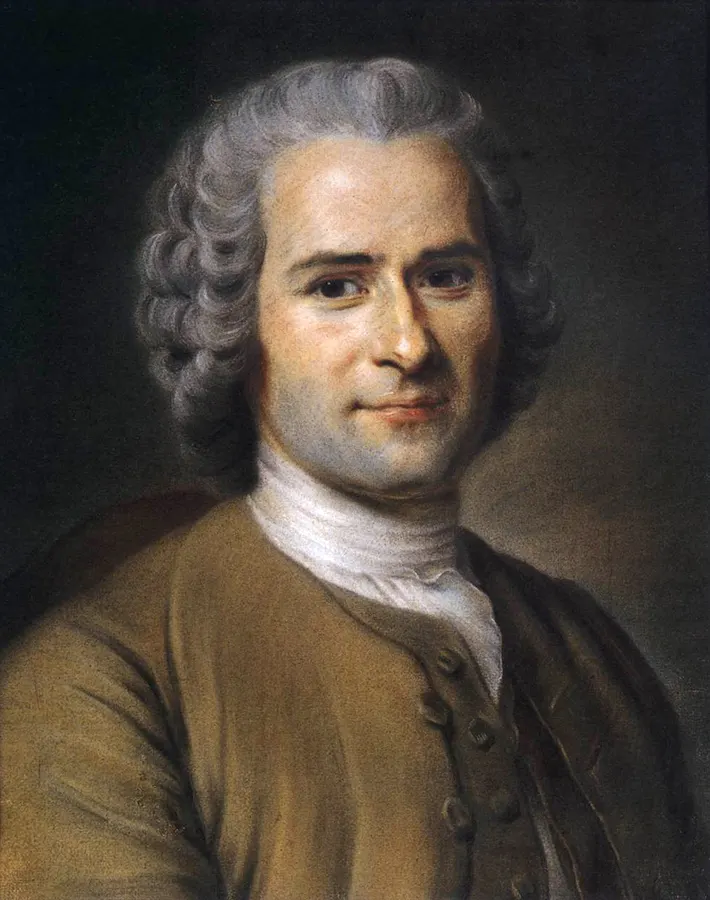
Man is born free, yet everywhere in chains — stirring stuff. But note the machinery: individuals dissolved into a “general will” that may “force men to be free.” The Jacobins will take this literally. So will others.
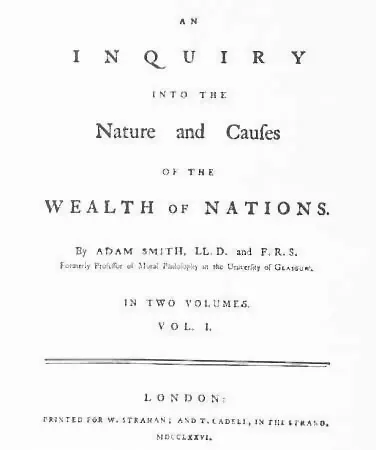
Prosperity comes not from kings hoarding gold but from free people trading freely. Published the same year as the Declaration — liberty’s political and economic arguments arrive together.
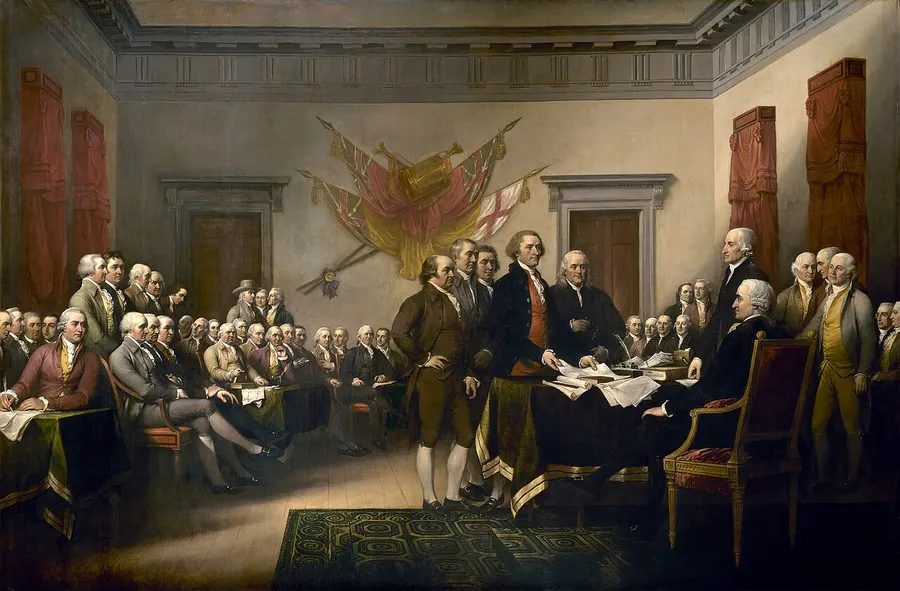
For the first time in history, a nation is founded on a proposition: all men are created equal, endowed with unalienable rights, and government exists only by consent — to secure those rights, nothing more. Thousands of years of “who rules?” answered with: you do.
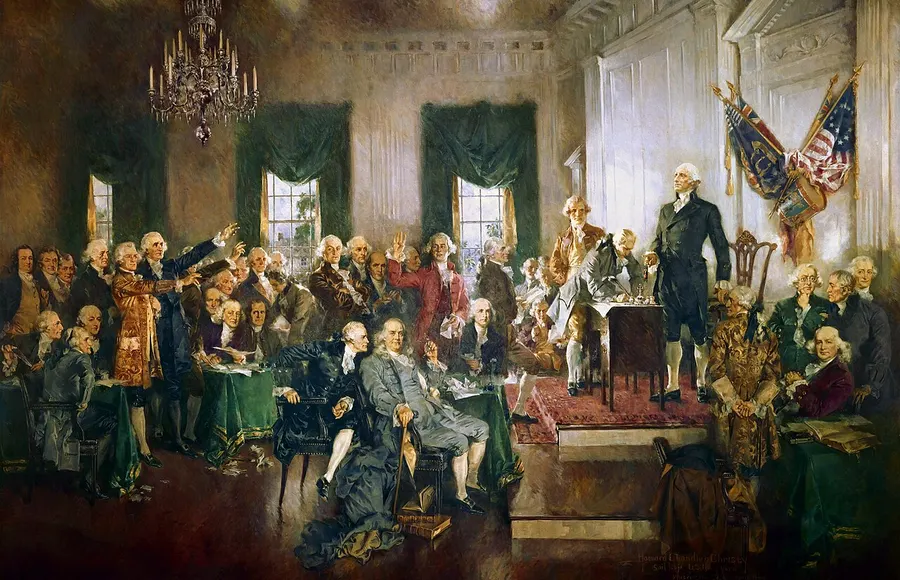
Not a grant of rights to the people but a grant of limited, enumerated powers to a government — with separated branches, federalism, and a Bill of Rights as a fence around the individual. The high-water mark of applied classical liberalism. The unfinished business — slavery — is written in evasions, and everyone knows it.
Steam, steel, and unprecedented prosperity — and, in its shadow, a new idea: that the state should engineer society. One revolution builds a republic of laws. The other builds the guillotine.
The common man
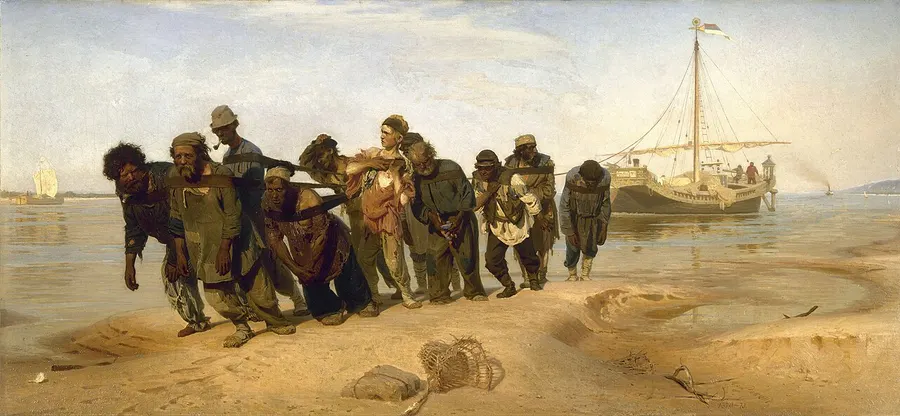
🌍 The World
Freed serf
Emancipated on paper, a subject still. He trades the lord’s field for the factory, the colony, or the conscript army.
Who owns his labour Tsar, Kaiser, empire
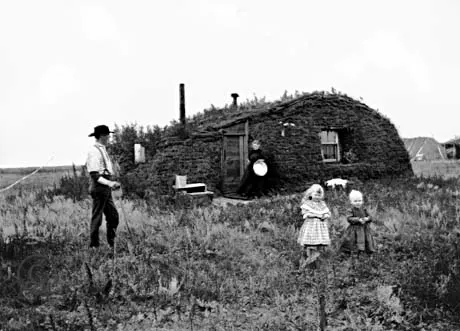
🇺🇸 America
Free man
A farmer on his own land, a wage worker, an immigrant just off the boat from one of those empires — and, after 1865, the slave made a citizen.
Who owns his labour Himself
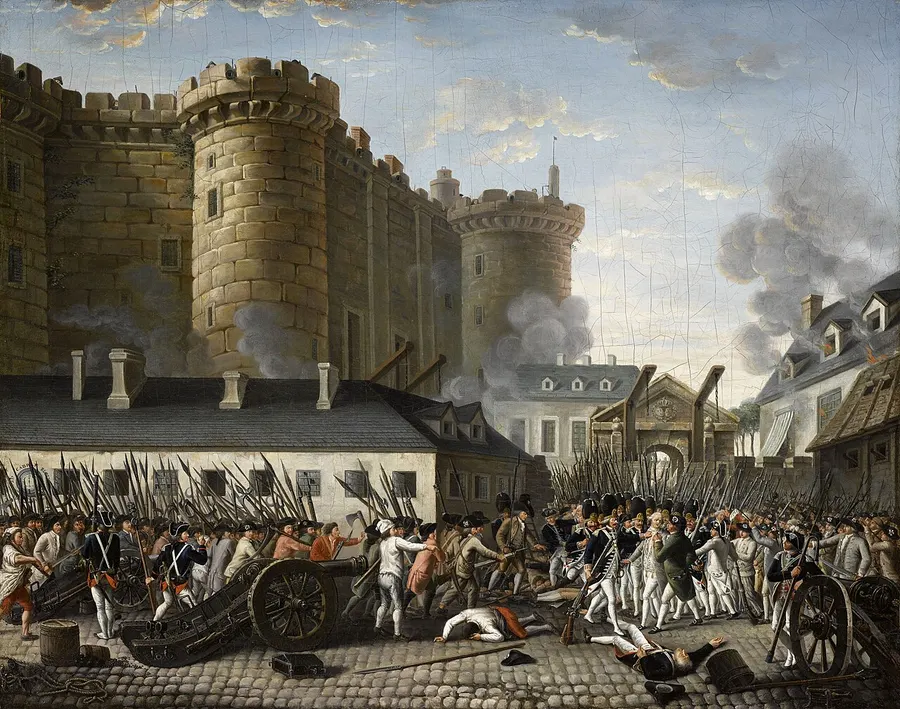
France breaks with king and church in the name of Liberté. But where America limited power, France transferred it — from the crown to “the Nation,” entire and indivisible. Watch what happens to power that answers to an abstraction.
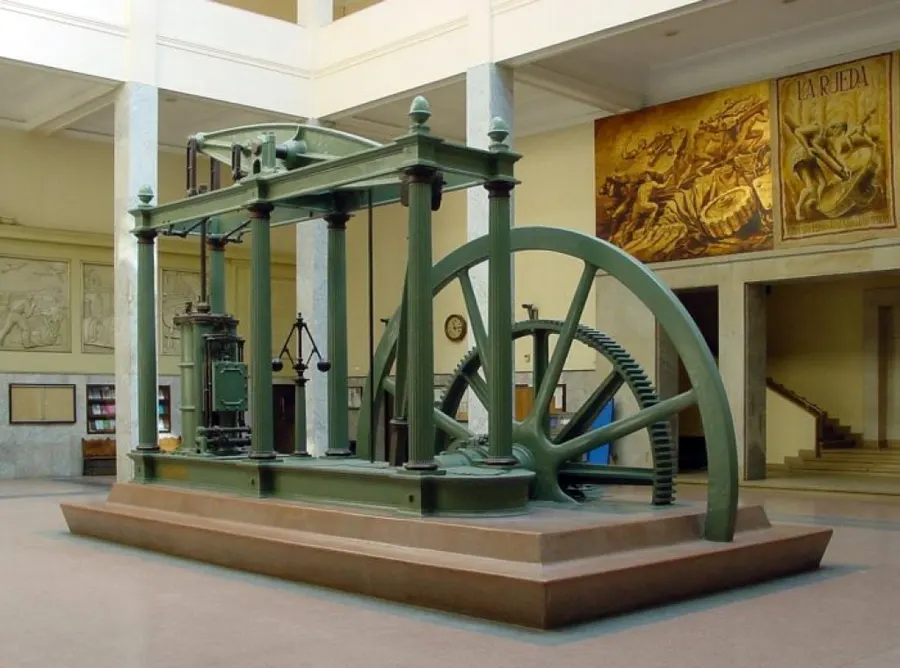
A Scottish instrument-maker and a Birmingham manufacturer go into business selling power. No ministry commissions it; no guild permits it. Boulton and Watt simply build engines and sell them to anyone who will pay — “I sell here, sir, what all the world desires to have: power.” For the first time in history, muscle is no longer the limit of what a free man can produce.
Matthew Boulton to James Boswell, 1776.
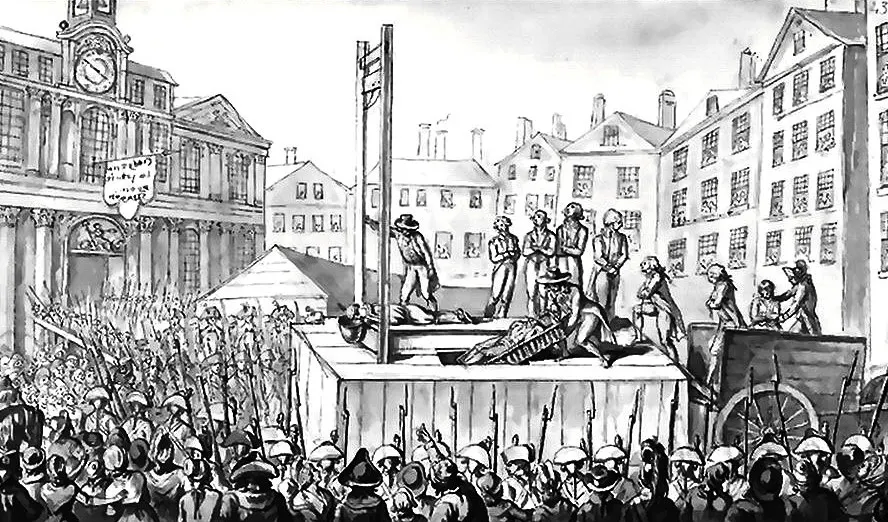
The Republic of Virtue guillotines some 17,000 citizens for insufficient enthusiasm. The first modern ideological purge: the state remaking man for his own good, at any cost. A template, not an aberration.
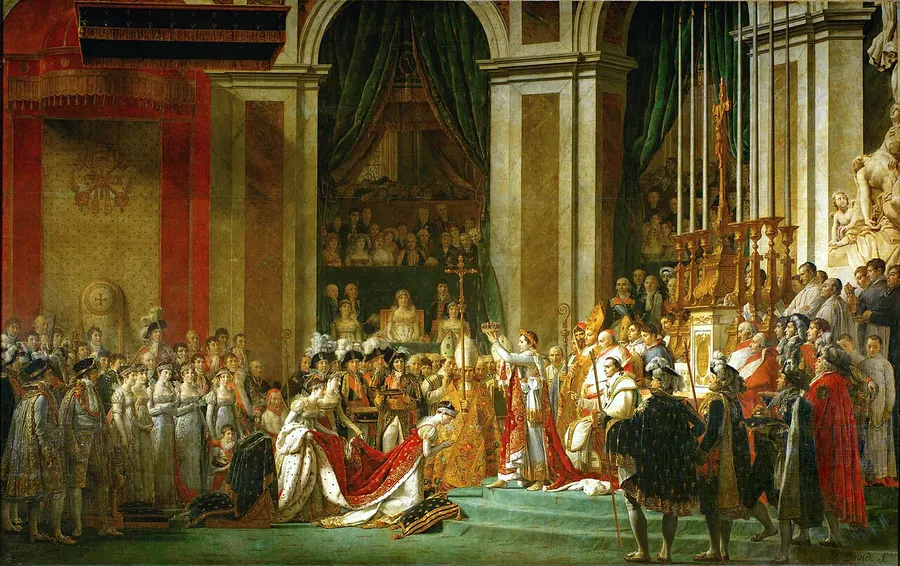
Fifteen years from Bastille to Emperor. The revolution that began by abolishing monarchy ends by inventing a more efficient one. France will run through fourteen constitutions; America is still on its first.
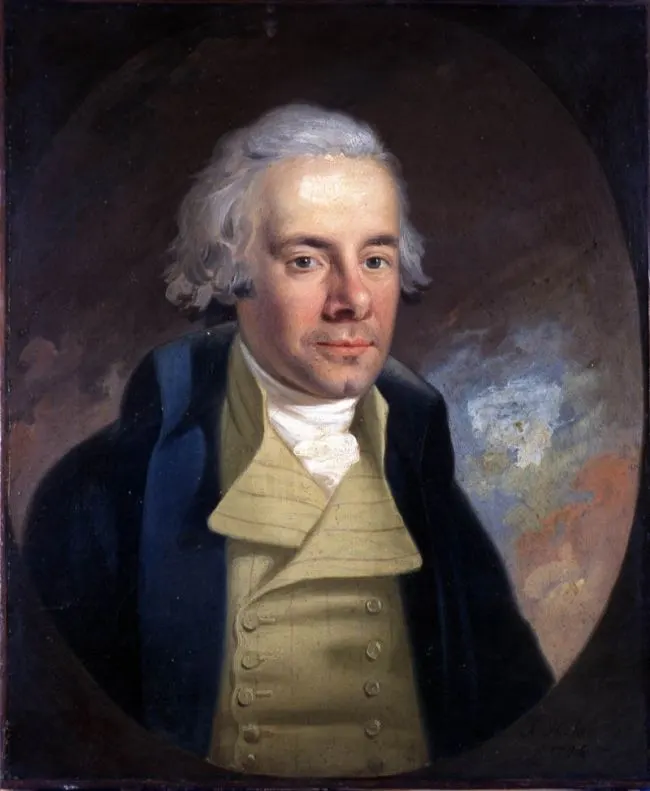
The world’s strongest navy turns from protecting the slave trade to hunting it, at ruinous cost and no profit. An institution as old as civilization is dismantled by the very liberal ideas its critics call hypocrisy.
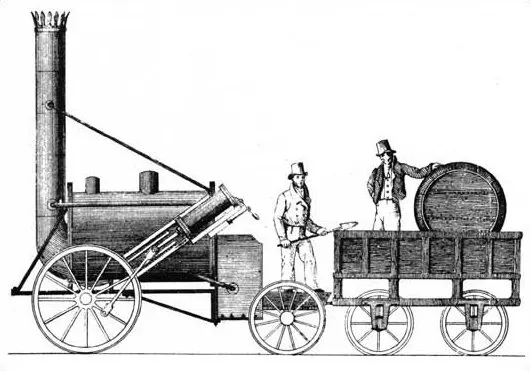
Stephenson’s Rocket wins the Rainhill trials at thirty miles an hour, and a year later the Liverpool and Manchester line opens: the first railway to carry passengers and freight between cities by steam alone. It is built with private money, by private companies, in a country that lets them. Within a generation the common man can cross a continent for a week’s wages.
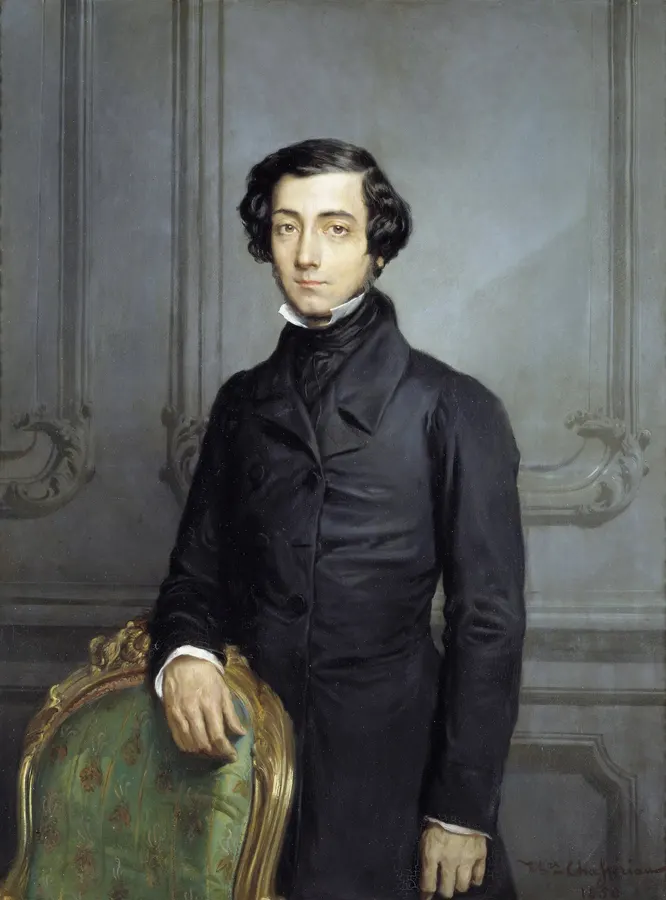
A French aristocrat tours the young republic and marvels at its self-governing citizens. He also leaves a warning: democracies can breed a “soft despotism” — an immense tutelary power that keeps men in perpetual childhood. He gave it two centuries.
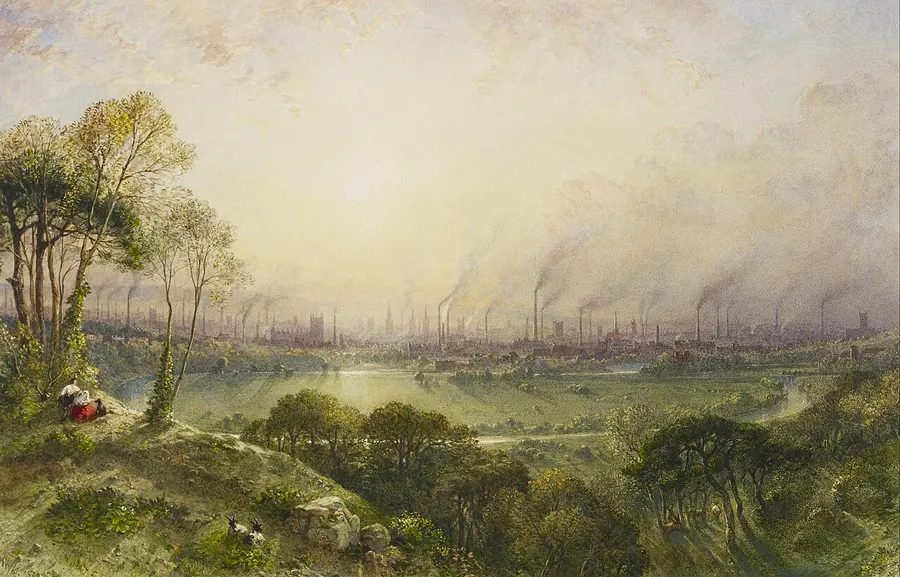
Manchester: a forest of chimneys where there had been a market town. The mills are harsh, the hours long, the air black — and the people keep coming, because what they are leaving was worse. Over the century the real wages of English workers roughly double. The serf’s grandson owns a clock, a change of clothes, and a newspaper he can read.
Real-wage estimates vary by series (Feinstein; Lindert & Williamson; Allen); all show a strong rise after the 1840s.
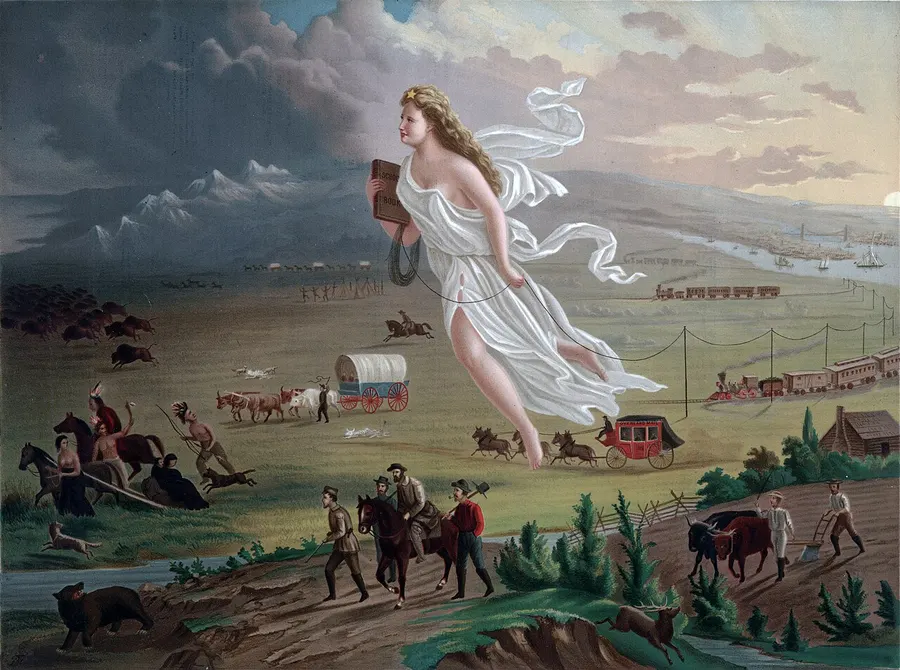
A New York editor gives a name to what Americans are already doing: spreading across a continent, not as an emperor’s army but family by family, wagon by wagon. No king grants the land and no lord waits at the end of the trail. For the common man of Europe it is something new under the sun — a place to go where nobody owns you.
John L. O’Sullivan, “Annexation,” Democratic Review, July–August 1845.
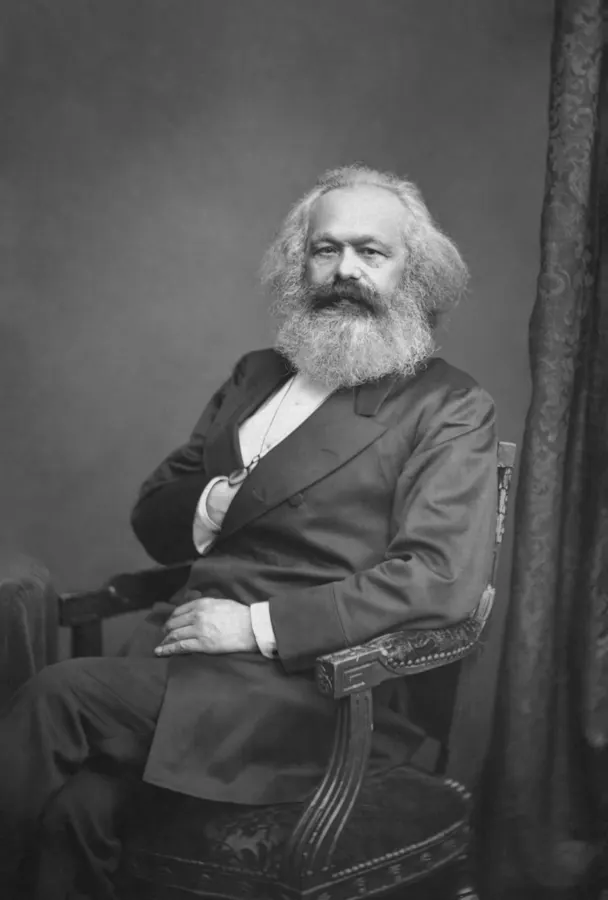
Marx and Engels reframe all history as class war and prescribe the cure: abolish private property, centralize everything in the state, and paradise follows. The single most consequential pamphlet of the modern age. The red thread starts here.
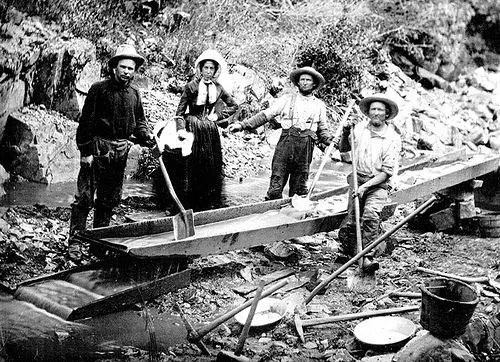
Gold at Sutter’s Mill. Some three hundred thousand people — farmhands, clerks, sailors, immigrants from every monarchy on Earth — drop everything and go. No one assigns them a claim; they stake their own. Most never strike it rich. They build California anyway.
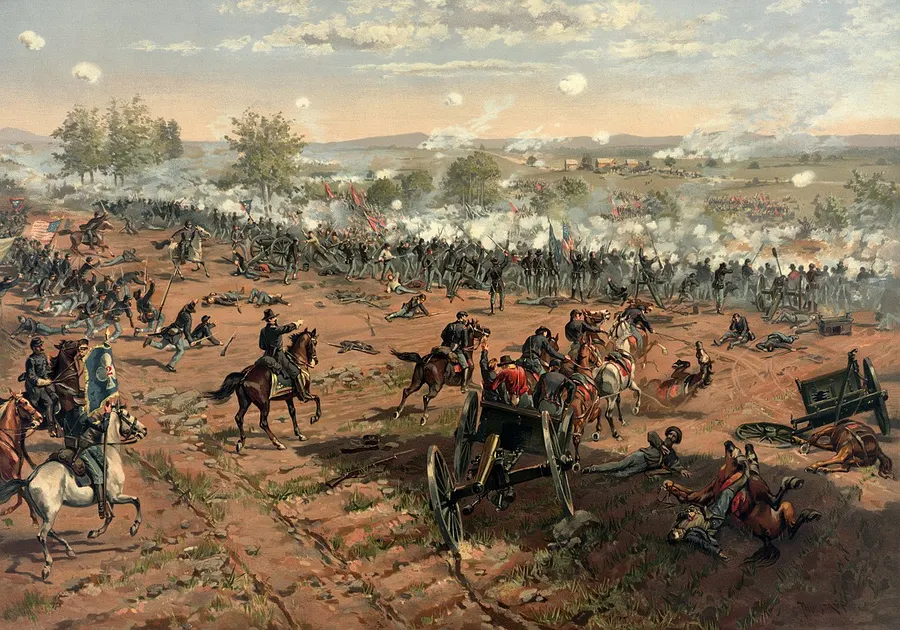
Six hundred thousand dead to resolve the Founding’s great contradiction. The 13th Amendment abolishes slavery; the 14th and 15th promise citizenship and the vote. The promissory note of 1776 is finally — partially — honoured.
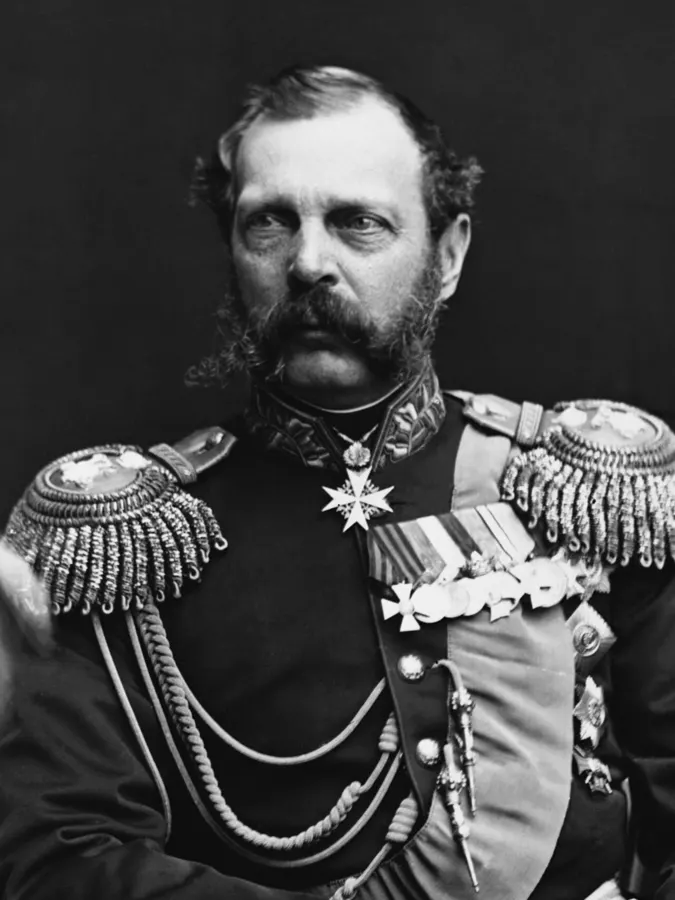
Tsar Alexander II emancipates some 23 million privately held serfs — people who until this year could be bought, sold, flogged and mortgaged along with the land. It comes the same year America goes to war over its own bondage. The oldest institution on Earth is dying inside a single lifetime.
Emancipation Manifesto, 3 March 1861 (O.S. 19 February).
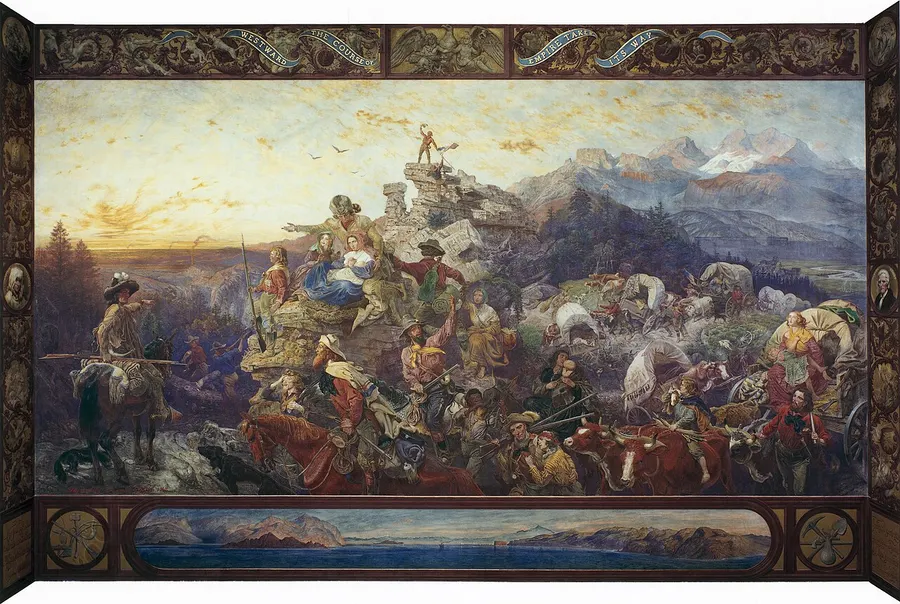
One hundred and sixty acres to any citizen who will live on the land and farm it for five years. Over the next decades some 1.6 million families take the offer — a tenth of all the land in the United States, handed not to nobles or companies but to whoever would work it. The serf’s dream, written into law.
Homestead Act, 20 May 1862. The phrase is attributed to Horace Greeley; the attribution is disputed.
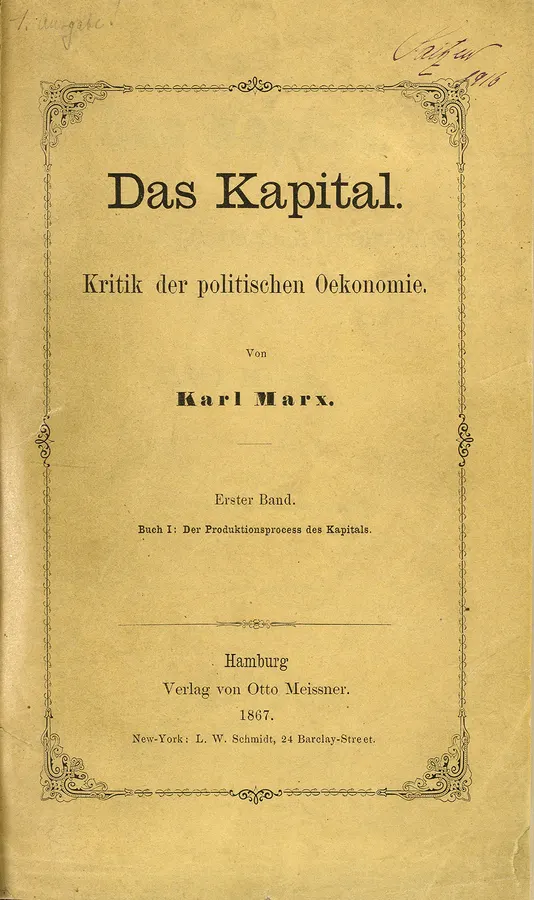
Marx gives his revolution the prestige of a science. History, he says, is on socialism’s side — inevitable as gravity. Inevitability is a marvelous recruiting tool; it relieves believers of the burden of evidence.
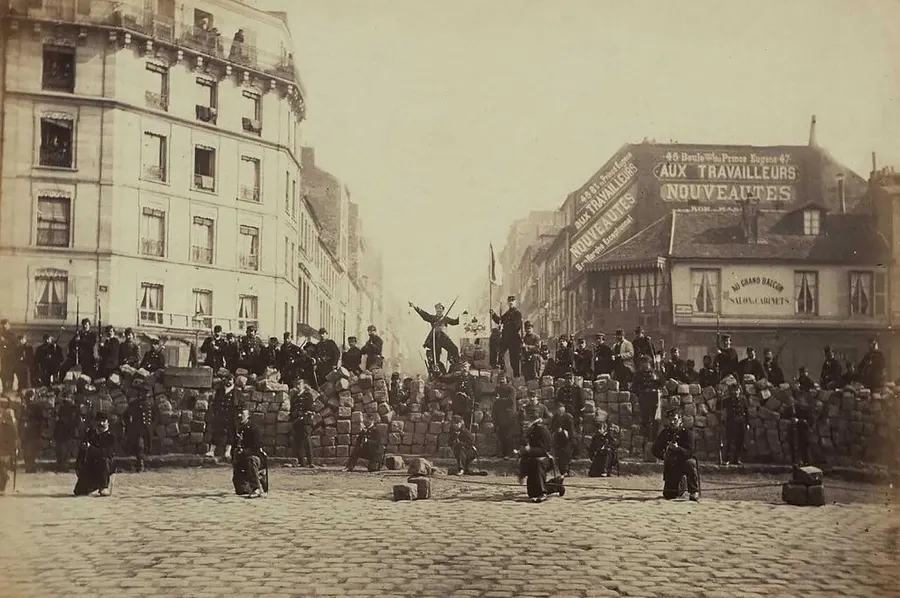
For two months, revolutionaries govern Paris on socialist lines before being drowned in blood. Marx canonizes it as the first proletarian government. The martyrdom myth proves more powerful than the experiment.
Federal troops withdraw and the South builds a legal caste system that will stand for nearly a century. A reminder that state power is the instrument of segregation — every Jim Crow law is a government regulation.

The land was not empty. From the Indian Removal Act and the Trail of Tears to the last free bands on the plains, the tribes are pushed off it — by treaty, by fraud, and by the army. In 1877 Chief Joseph leads the Nez Perce on a fighting retreat of more than a thousand miles and is stopped forty miles short of Canada. “From where the sun now stands, I will fight no more forever.” The Republic’s promise did not yet reach everyone inside its borders.
Indian Removal Act, 1830; surrender at Bear Paw, 5 October 1877.
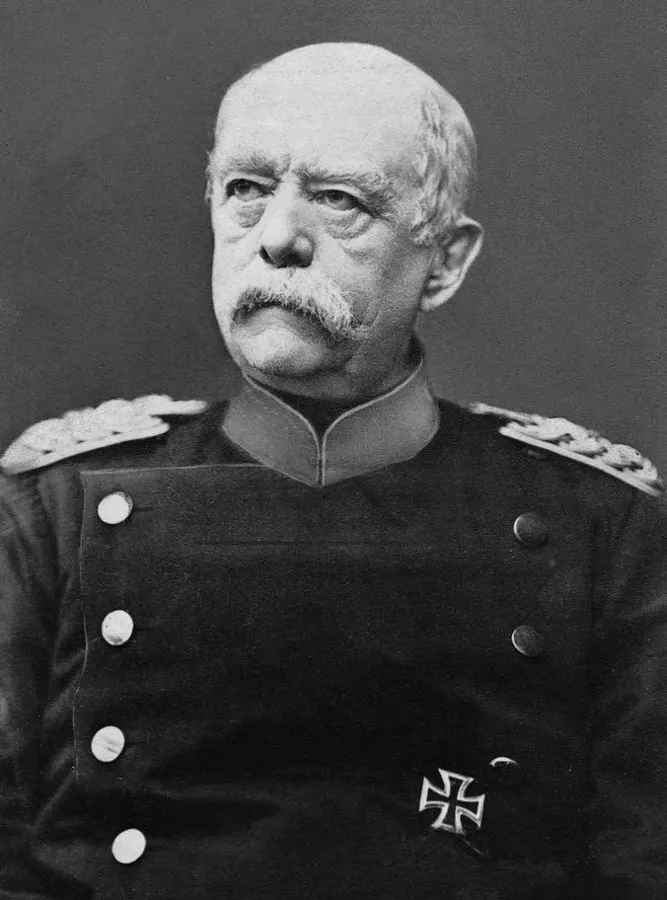
The first state pensions and social insurance — built not by a socialist but by an arch-monarchist, explicitly to make workers dependent on the state and steal the socialists’ thunder. The welfare state is born as a tool of state power. It never forgets its parentage.
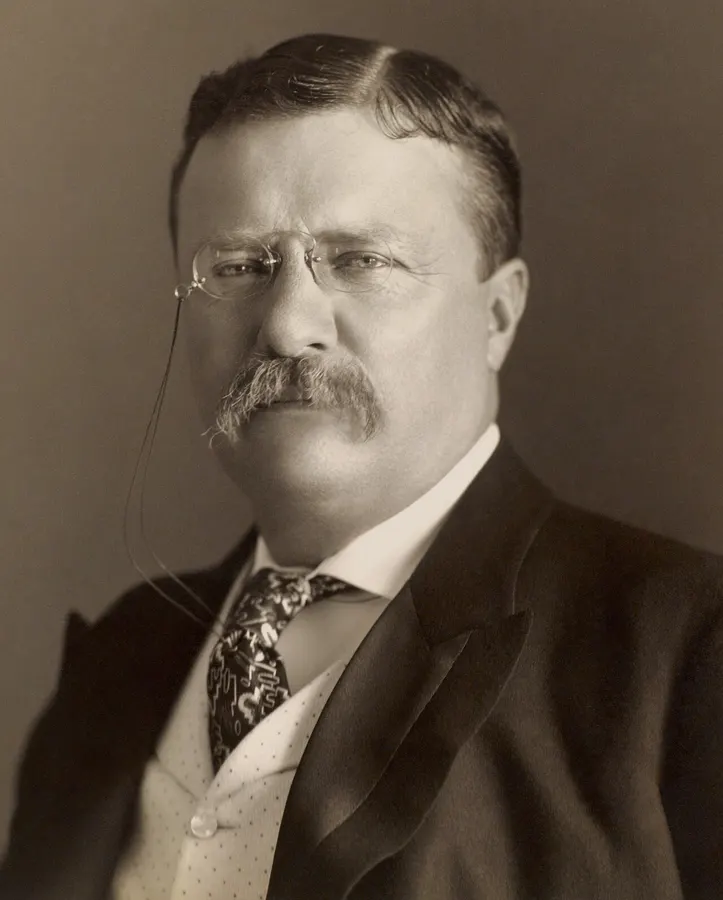
American intellectuals return from German universities convinced the Constitution is obsolete and society should be managed by scientific experts. Wilson calls checks and balances “Newtonian” relics. The administrative state is conceived here — with impeccable manners.
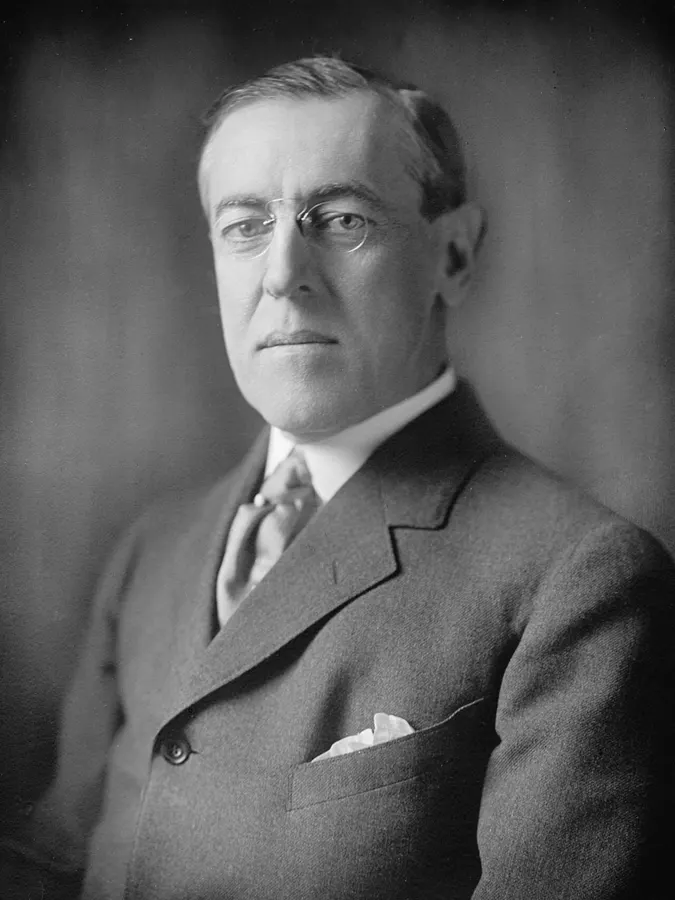
In a single year: a permanent federal income tax (top rate 7%, promised never to rise) and a central bank. The two engines of unlimited government — the power to take and the power to print — are installed. Federal spending will grow a hundredfold.
The century of the total state. Collectivism — national and international — kills over one hundred million people in peacetime. Meanwhile, in the free world, the state grows quietly, program by program.
The common man
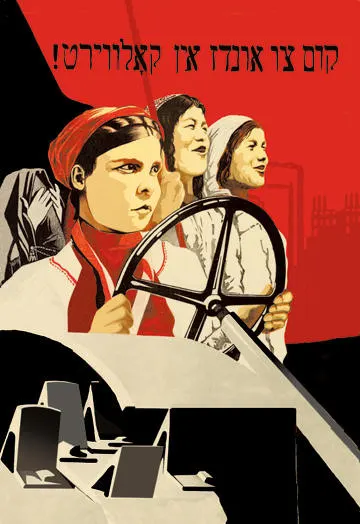
🌍 The World
Property of the Party
A collective farmer who may not leave his village; a prisoner in the Gulag; a soldier in someone’s total war. The serf is back, with a red star on his cap.
Who owns his labour The State
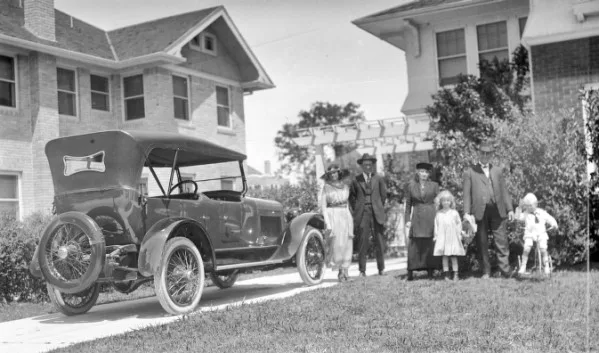
🇺🇸 America
Citizen
He owns a house, a car, and a vote. No ordinary man in history has lived this well — and each decade a little more of his pay is spoken for before he sees it.
Who owns his labour Himself — less the tax share
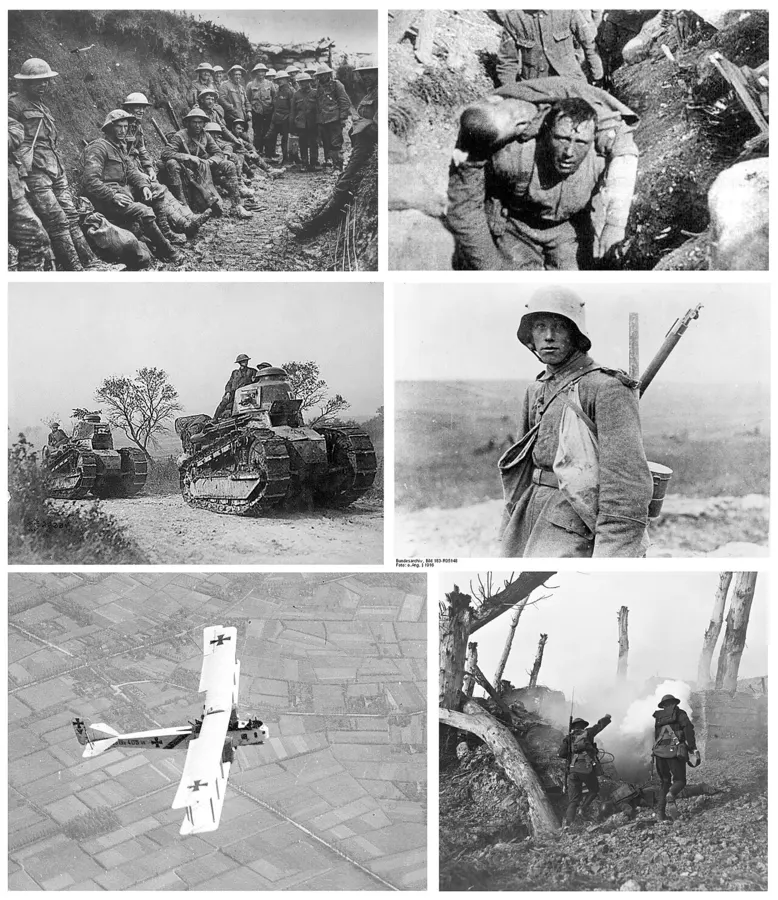
Industrial civilization turns its machinery on itself: 17 million dead. Every belligerent nationalizes, rations, conscripts, and censors. Governments discover what total mobilization makes possible — and file the lesson away.
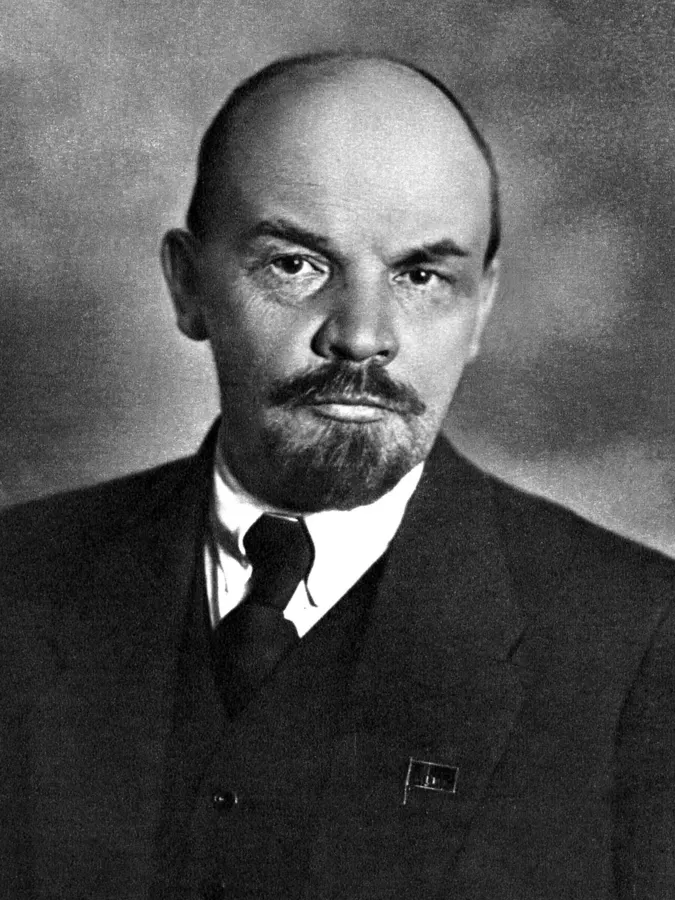
Marx’s theory gets its country. Lenin seizes Russia, dissolves the elected assembly at bayonet-point, and builds the first totalitarian state: one party, one truth, secret police for everything else. “The dictatorship of the proletariat” turns out to be a dictatorship, full stop.
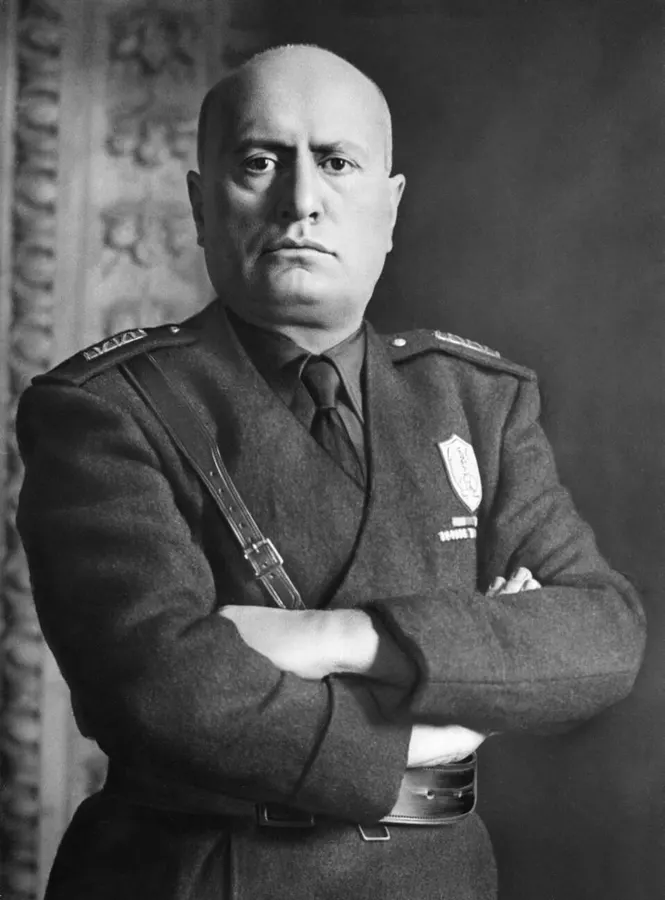
A former socialist editor invents Fascism: collectivism in national colours. “Everything within the State, nothing outside the State, nothing against the State” — his words. The quarrel with communism is a family feud over which collective gets your life.
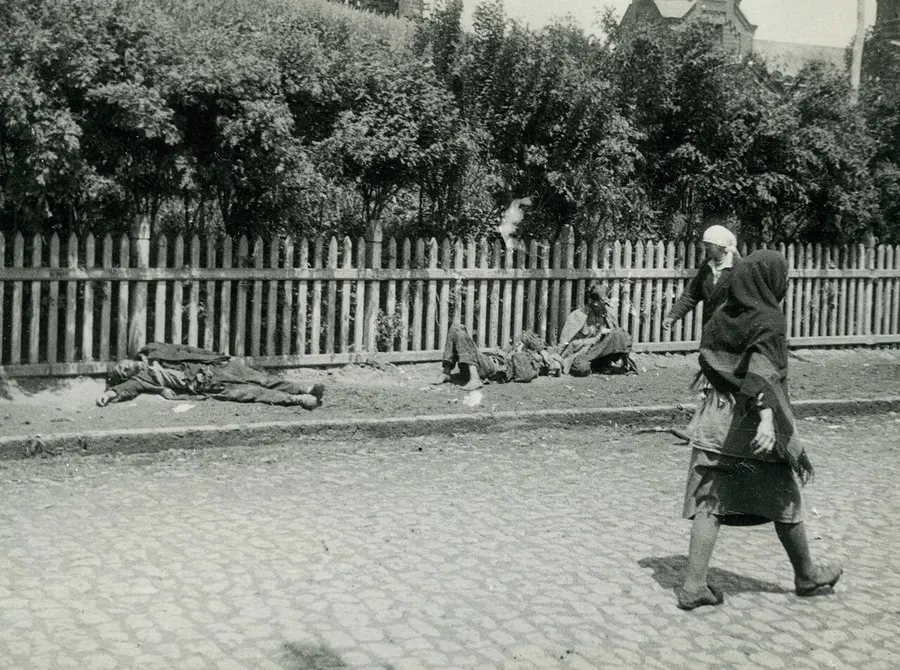
Stalin collectivizes agriculture; Ukraine’s harvest is confiscated at gunpoint. Roughly four million starve in Europe’s breadbasket. Western intellectuals visiting on guided tours report that the future works.
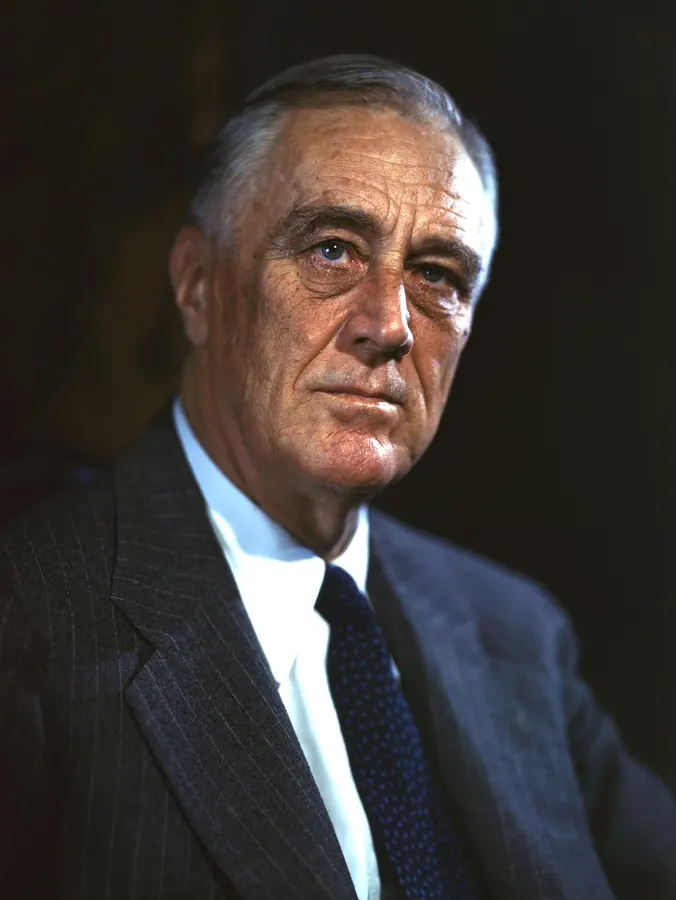
FDR answers the Depression with alphabet agencies, Social Security, the NLRB, and a Supreme Court bullied into blessing it all. Much of it is popular; all of it is permanent. The federal government’s share of American life roughly doubles and never returns.
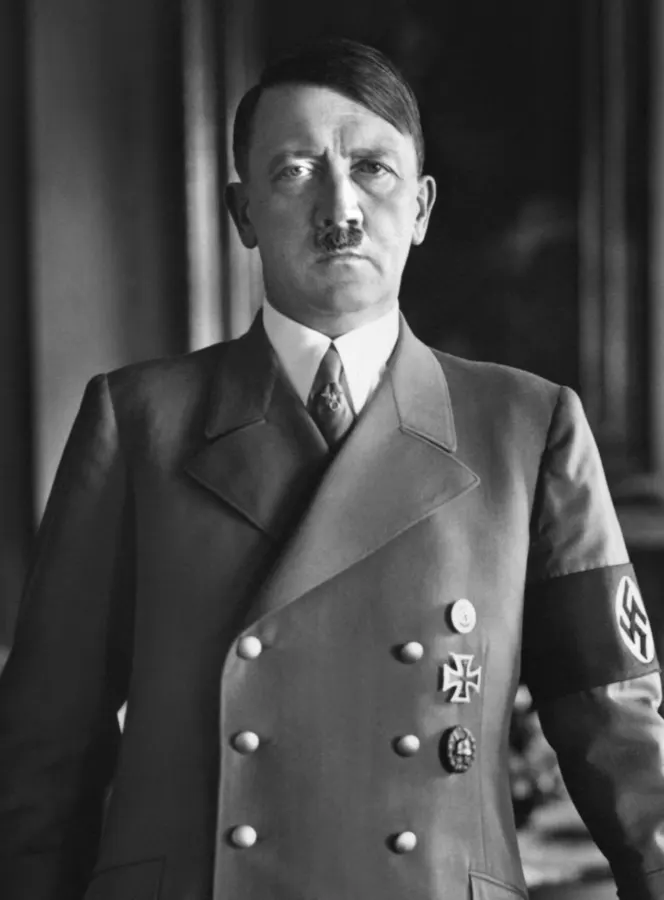
National Socialism: race replaces class as the sacred collective, but the machinery is familiar — one party, one leader, the individual as raw material for the state’s great project. Within months: censorship, camps, and the Führerprinzip.
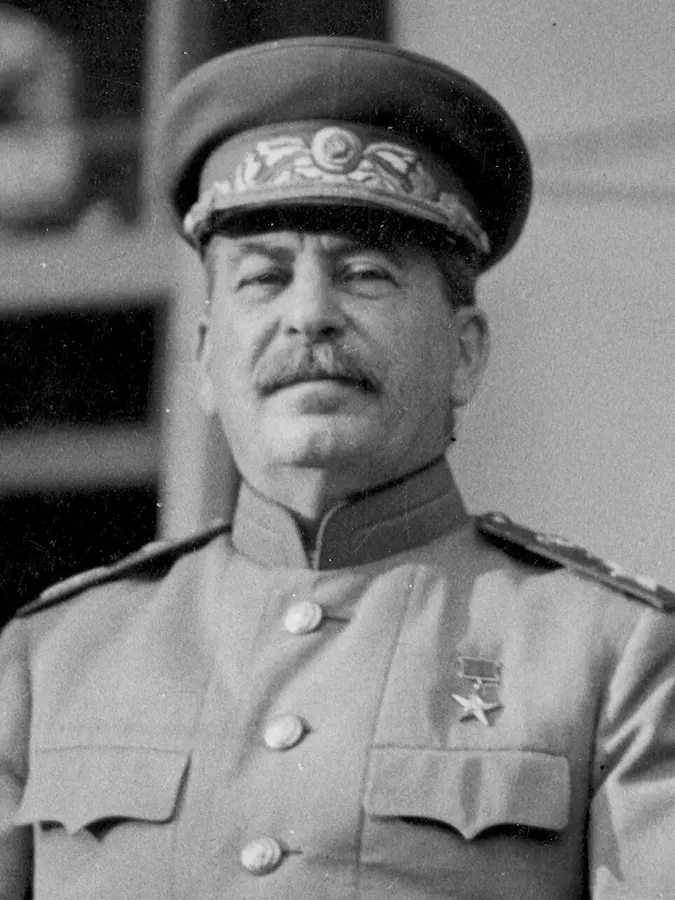
The revolution eats its own: show trials, quotas for executions, a knock at the door at 3 a.m. Roughly 750,000 shot in two years. Terror is not the system malfunctioning; it is the system.
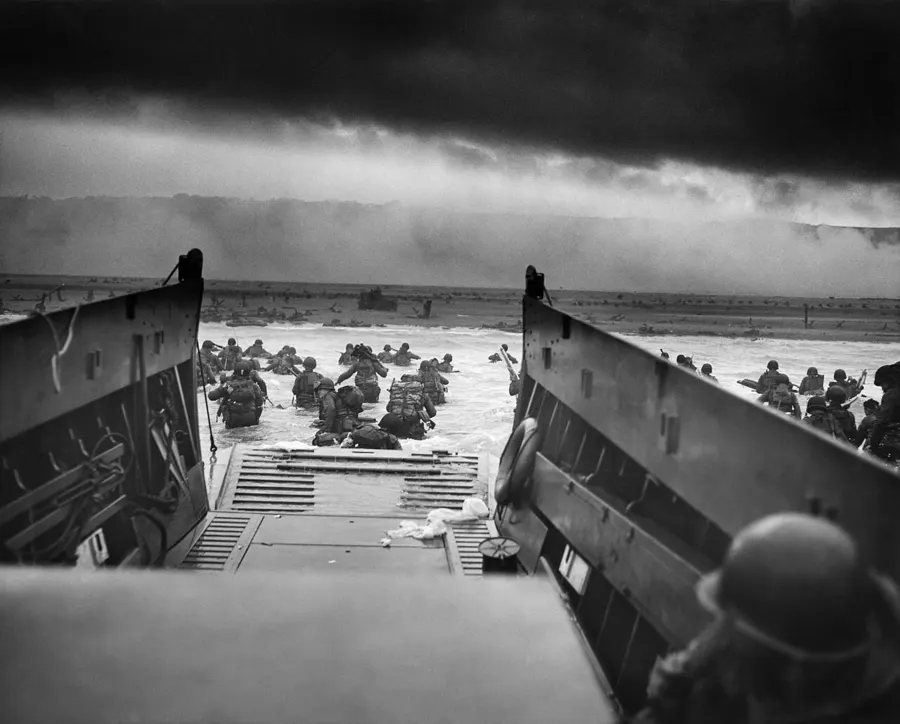
The collectivist powers plunge the world into a war that kills 70–85 million people. In its heart, the Holocaust: six million Jews murdered with industrial method. This is where “the individual exists for the collective” arrives, when driven to its terminus.
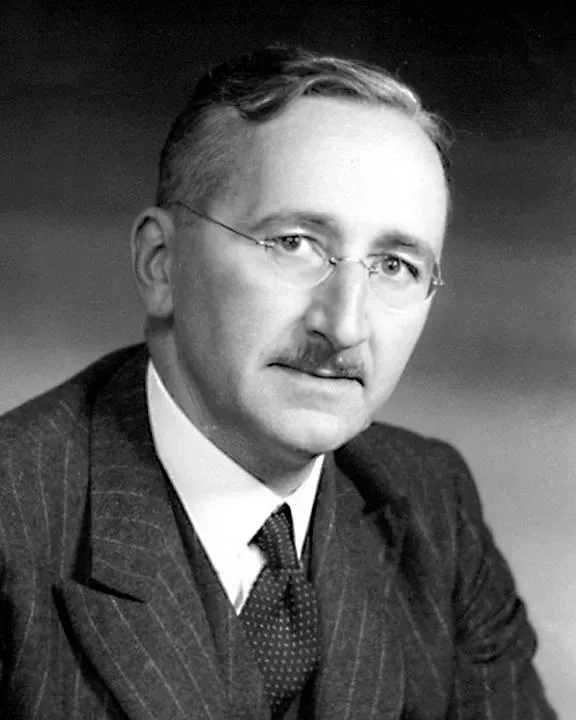
Writing amid the rubble, Hayek argues that central planning, however benevolent its intent, concentrates power that tyranny will eventually inherit. Polite society finds this rude. Events keep finding it accurate.
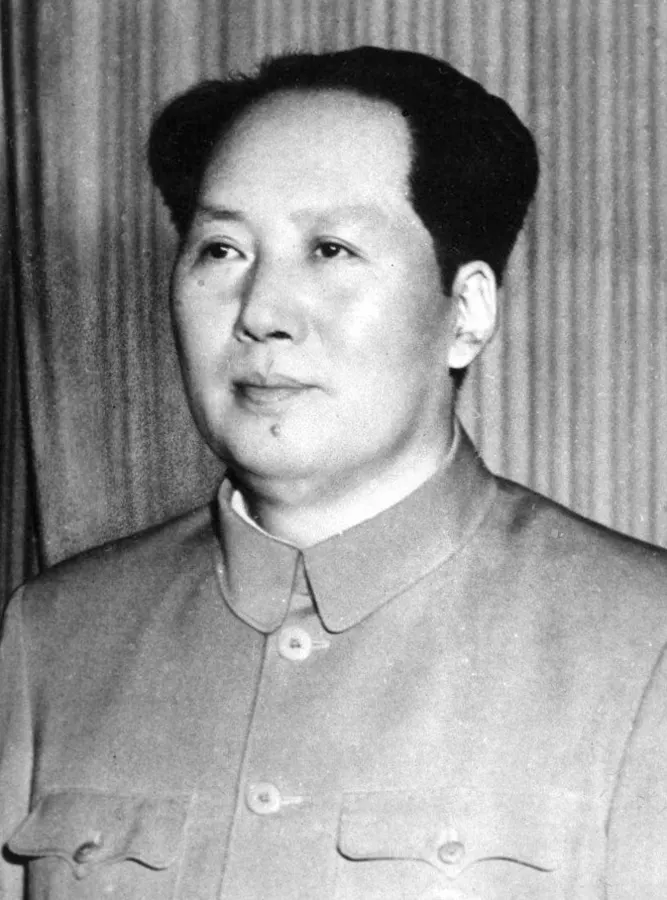
A quarter of humanity comes under communist rule. Landlords are liquidated by the million in the first years — a warm-up, as it turns out, for what central planning has in store.
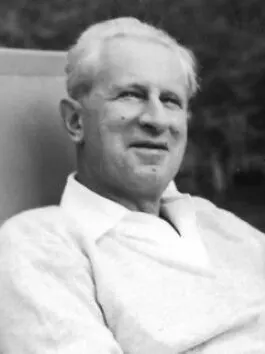
Marxist theorists, exiled from Europe, settle into American universities and update the doctrine: if the workers won’t revolt, the revolution must run through culture instead. Marcuse becomes the New Left’s philosopher; his student Rudi Dutschke names the strategy — “the long march through the institutions.”
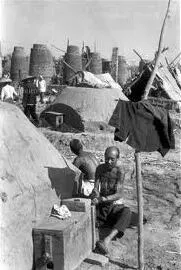
Mao commands China to industrialize by willpower. Peasants melt their tools in backyard furnaces while officials report fictional harvests upward. Between 30 and 45 million starve — the deadliest famine in human history, made entirely of policy.
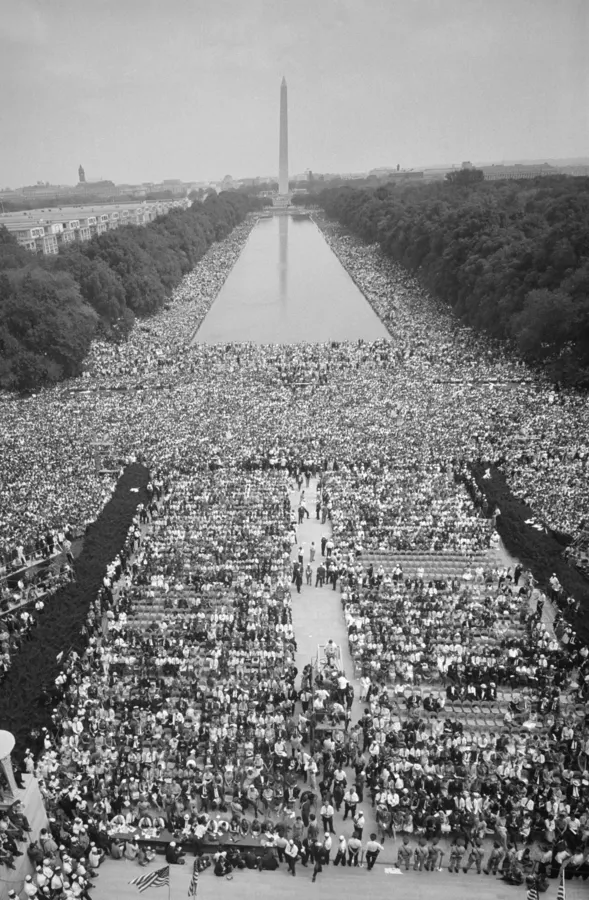
Jim Crow is dismantled; equality before the law is finally extended to all Americans. The classical-liberal promise of 1776 — judged by character, not category — reaches its fullest legal expression. Hold that definition of equality in mind; it is about to change.
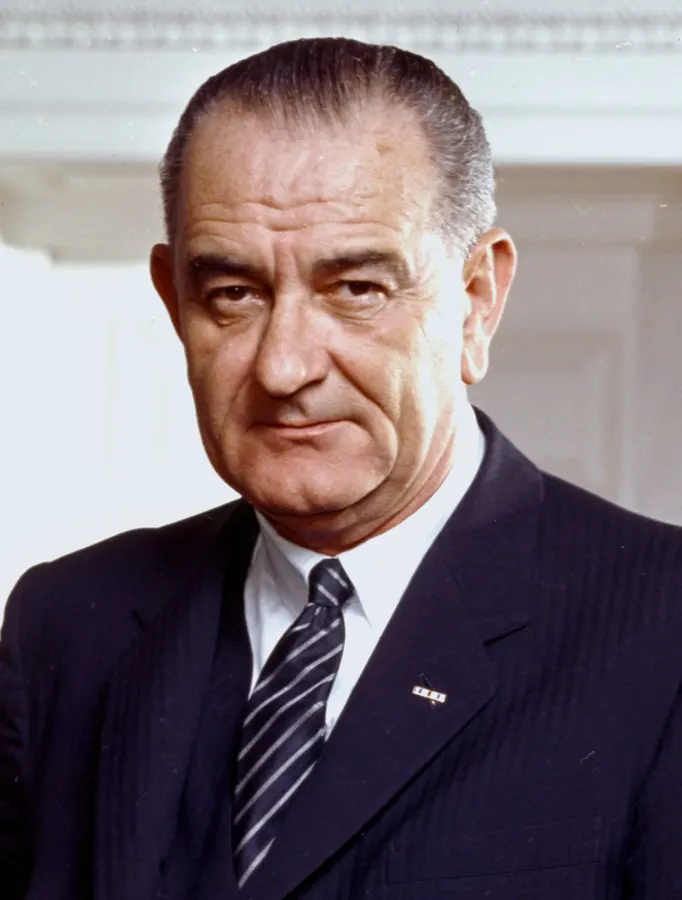
Medicare, Medicaid, the War on Poverty, HUD, federal education programs — the largest expansion of the state since the New Deal, sold as poverty’s cure. Sixty years and over $25 trillion later, the poverty rate is roughly where it started; the programs, of course, are eternal.
Mao unleashes student Red Guards to destroy the “Four Olds.” Teachers are beaten by their pupils, ancient temples smashed, children denounce parents. A decade-long demonstration of what politics looks like when it becomes a religion of the young.
EPA, OSHA, CPSC, and dozens more — agencies that write, enforce, and judge their own rules, run by officials no one elected. The Federal Register swells from 20,000 to 80,000+ pages a year. Congress legislates less; the bureaucracy governs more.
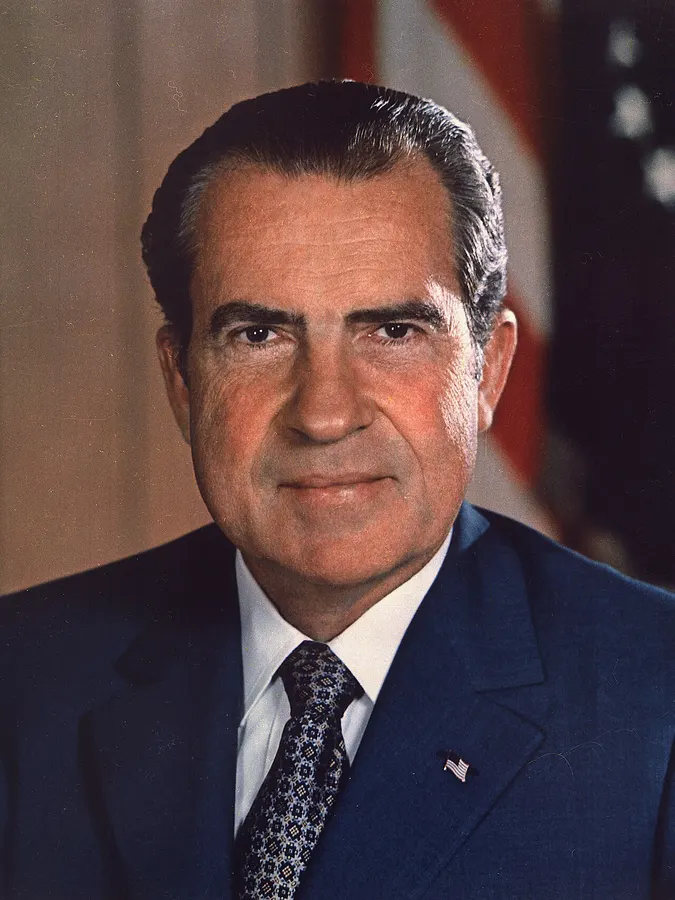
The dollar’s last link to gold is severed — “temporarily,” Nixon says. The final restraint on government spending is gone; deficits become a permanent lifestyle. Every debt figure that follows on this timeline traces back to this quiet Sunday announcement.
Paris-educated Marxists empty Cambodia’s cities overnight to build agrarian communism from scratch. Roughly a quarter of the population is worked, starved, or beaten to death. Wearing glasses is evidence of bourgeois tendencies. The purest experiment, and the fastest to mass graves.
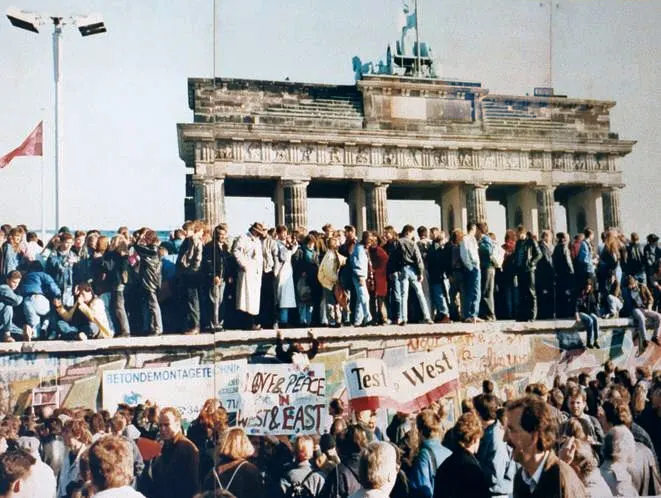
The wall built to keep citizens in — the detail that says everything — is torn apart by the citizens themselves. Across Eastern Europe, communism collapses not to invasion but to exhaustion. The experiment ran seventy years; the results are in.

The red flag comes down over the Kremlin. Total tally of communism’s peacetime dead across the century: an estimated 100 million. The ideology, however, is not buried with them — it has already changed clothes.
The Wall falls; history is declared over. It wasn’t. The language changes — equality becomes equity, liberalism means its opposite — but the question is the one Sumer asked: how much of your life belongs to the state?
The common man
🌍 The World
It depends where
Free and prosperous in Seoul, Warsaw or Tallinn. Watched, scored and silenced in Beijing or Pyongyang. The line between them is the one this timeline has been tracing.
Who owns his labour Himself — or the Party
🇺🇸 America
Citizen?
The most prosperous ordinary person who has ever lived, by a distance. Also the most taxed, regulated, licensed and monitored free man there has been.
Who owns his labour The open question
Fukuyama declares liberal democracy the final form of government; the argument is over. The West relaxes, stops teaching its own story, and assumes the inheritance maintains itself. Inheritances don’t.
Nineteen hijackers murder 3,000 Americans; the response builds a permanent security apparatus — the Patriot Act, DHS, and mass surveillance later confirmed by Snowden. Emergency powers, as ever, outlive the emergency.
Wall Street’s losses are socialized at taxpayer expense; the Fed conjures trillions and calls it “quantitative easing.” Profits private, losses public — a hybrid that manages to discredit capitalism while practicing something else entirely.
The federal government takes command of one-sixth of the economy, complete with an individual mandate to purchase a product. Upheld as a “tax” it was sworn not to be. Another ratchet-click: programs go in; they do not come out.
A one-letter edit with a continent of meaning. Equality meant the same rules for all; equity means engineered outcomes by group — which requires an engineer, with power, forever. DEI bureaucracies and ESG scores spread through institutions that answer to no voter. The long march arrives at its destination.
Businesses ordered shut, churches closed, dissent moderated off the platforms — and $5 trillion in spending conjured in two years, more than the inflation-adjusted cost of World War II. A live demonstration of exactly how much liberty is negotiable in a crisis. Answer: most of it.
Federal debt passed $38 trillion in October 2025, and interest on it now costs more than the military. The Federal Register runs to 90,000+ pages. The word “liberal” now denotes the ideology of state expansion — a perfect inversion of its meaning. The spine of this timeline was red for 5,000 years and blue for a moment. Which way it turns next is not written anywhere. It is chosen.
What the total state cost, in the twentieth century
The deadliest government in recorded history was a government of the Left: a Western ideology, exported, and followed to its conclusion.
Every one of them was promised a paradise. Utopia has only ever been built one way, and it needs a great many graves.
Figures as printed on the graphic, which takes the upper estimates. Mao’s 65 million and the communist total of about 100 million follow Courtois, The Black Book of Communism; archive-based counts run lower for some (Mao 30–47 million: Yang, Dikötter; Stalin 6–20 million: Snyder, Conquest) and no two historians agree. Famine deaths by policy are counted alongside executions and camps.
The finale
You have been told politics runs from left to right. There are two spectrums, and they run across each other. We are not on the Left's line at all — and we want our word back.
I The Line You Were Taught
What everyone knows
Communists at one end. Fascists at the other. Everybody else strung out in between, and the further you stand from the Left, the closer you must be to the Nazis. You have seen this line all your life. It is on every news channel and in every classroom.
Look at the two ends
One party. One leader. Secret police, camps, a planned economy, and no part of your life the state does not claim. Mussolini, a socialist editor before he was a fascist, said it for both of them: “Everything within the state, nothing outside the state, nothing against the state.” A line whose two ends meet is not measuring what it says it measures.
So put it where it belongs
Left to right, it only ever measured which kind of collective would own you: the international one — socialism, communism — or the national one — fascism, National Socialism. Every point on it is big government. Both ends are 100%. And it leaves a question hanging: where do the people go who want less of the state altogether?
II The Other Axis
For five thousand years
Pharaoh, emperor, king, tsar. Before there were parties there was the crown: one man, total power, and everyone else a subject. Monarchy sits at the dead centre of the floor, and for nearly all of history there was nowhere else to stand.
1776
Thirteen British colonies, heirs to Magna Carta and the Glorious Revolution and steeped in Locke and Montesquieu, do the unthinkable. They revolt — not to seize the crown, but to do without one. The idea has a name: Liberalism. Small government, big individual, free market.
A second spectrum
Not left. Not right. Up. It runs at right angles to the floor, because it measures something the floor cannot: how much of your life is your own. At the top, 0% government — the anarchists’ country, where nobody actually lives. Just below it is where the Founders aimed.
A Republic
Power divided, chained, and set against itself. Separation of powers is not a flaw in the design. It is the design — and the part most of the world has never understood. The new nation plants its flag near the top of the axis.
But not all were free
Slavery had been a constant of every civilization on Earth, and the new republic did not end it. Winning independence from the British Empire had taken everything the colonies had. The Constitution promised more than the country yet delivered. Collecting on that promise would take eighty years and some 600,000 lives — and it was the Founders’ own words that were used to demand it.
III The Other Revolution
1789 · France
France follows America out of Monarchy. Liberté! Égalité! Fraternité! It soars — but it never built the restraints. It did not dissolve absolute power; it handed it from the crown to “the Nation, one and indivisible.” Terror, then Napoleon. The ball falls back to the floor and rolls off to the Left.
Égalité over Liberté
When equality of outcome is the aim, somebody has to do the equalizing. Most of the West followed France, not America: votes and some guaranteed rights, but an all-powerful state handing them down. At the foot of the freedom axis the state spreads — wide, red, and heavy. On the order of a hundred million dead in one century lie along that floor.
IV Dueling Spectrums
The actual US political spectrum
American politics is an argument about altitude. The Founders, the original liberals, near the top with the libertarians. Republicans below them. The uniparty in the mixed middle. Democrats and progressives down where government is big and the individual is small.
The smear
The Left can only see the floor. So anyone who is not standing on their half of it must be standing on the other half. Want lower taxes, free speech, a smaller state? Fascist. Racist. Far right.
Follow the arrow
It is down there, next door to the far left, a stone’s throw from 100% government. People who loathe concentrated power cannot be fascists; fascism is concentrated power. The label is not an argument. It is a way of never having one.
V The Stolen Word
A word with a meaning
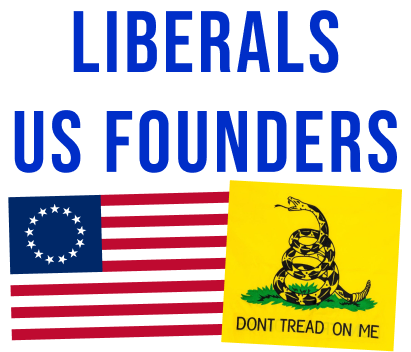
From liber — free. For two centuries it meant one thing: freedom from concentrated power. Free speech, free press, free conscience, free enterprise, all under the rule of law. The Founders were liberals. This is where the word lived.
Then it was taken
In the 1930s the New Dealers took the name for themselves. Within a generation “liberal” meant its opposite: bigger government, higher taxes, more of your life decided for you. The original had to be relabeled just to be understood — “classical” liberalism, or even “neo-liberalism.” Freedom from the state became freedom for the state.
VI The Slide — and the Climb
1789–1860 · The young republic
For seventy years the federal government is almost invisible. It delivers the mail, keeps a small army and collects a tariff at the ports. There is no income tax. A farmer can live his whole life and never meet a federal official. Thirteen states on the Atlantic become thirty-three, reaching the Pacific.
1861–1870 · The Civil War
The war settles what the Founding left open, and three amendments write it into the Constitution. The 13th abolishes slavery. The 14th makes the freedmen citizens and, for the first time, binds the states to due process and equal protection. The 15th gives them the vote. The war also leaves Washington stronger than the states for good, and it tries out the first income tax, which lapses in 1872.
1870–1913 · The Gilded Age
In forty years the American economy grows about fivefold and passes Britain to become the largest on Earth. Railroads span the continent. Steel, oil, electric light, the telephone, the automobile and the airplane all arrive. More than twenty million immigrants cross an ocean to get in. Through all of it Washington spends about three cents of every dollar the country earns, and takes no tax on income.
1913 · The Progressive Era
A new idea arrives from Europe: the state should engineer society, and experts should run it. In a single year the 16th Amendment brings a permanent federal income tax, the 17th takes the Senate away from the state legislatures, and the Federal Reserve is given the money. Washington now holds a claim on every American’s labor. This is where the slide begins.
1917–1929 · War, then the Twenties
The Great War shows what the new machinery can do: a top tax rate of 77 percent, the railroads run from Washington, men jailed for what they said. Harding and Coolidge cut it back and the Twenties roar. But it never returns to where it started. Each emergency leaves the state a little larger than the last one did.
1933 · The New Deal
Alphabet agencies, price controls, cartels. The largest peacetime expansion of government in American history, and almost none of it was ever taken down again. This is when its builders take the name “liberal” with them.
1965 · The Great Society
Medicare, Medicaid, food stamps, federal housing, federal schooling. Trillions spent. As Reagan put it twenty years on: “We fought a war on poverty, and poverty won.”
Today
More than $38 trillion borrowed against your children. Counting the states and cities, government now spends more than a third of everything the country produces. Nobody voted for this weight as a whole, and no single election lifts it. This is not yet the floor. But it is a long way from where the flag was planted, and a state this size does not sit still. It does things to the people underneath it.
The whole picture
One runs along the floor, from one total state to another. The other runs straight up, away from all of them. We are not on their line at all. Next: what the slide down it does to a people.
After the slide
In 1651 Thomas Hobbes drew the state as a giant crowned man whose body is made of his subjects. He called it Leviathan, and he meant it as a compliment. The Founders’ answer was to chain it. This is what happens when the chains come off and the giant is fed for a hundred years.
It always begins kindly
A pension for the widow. Insurance against a bad harvest. A safety net, a helping hand, a war on poverty. Every program on the wall was sold as compassion, and plenty of the people who built them meant it. Maybe. But a government big enough to give you everything has to be big enough to take it first.
Approximate. OMB Historical Tables; Census of Governments.
The ratchet
Every crisis is a reason to grow, and no crisis is ever a reason to shrink. War, depression, recession, pandemic: the state swells for the emergency and never goes all the way back down. Its rulebook grows faster than its budget. The Federal Register, where new federal rules are printed, ran to 2,620 pages in 1936. It now runs to some 90,000 pages a year, every year, written by people nobody elected.
Office of the Federal Register. Note the dip: Reagan cut it nearly in half.
Follow the money
Pile trillions of dollars in one city and everyone who wants some will move in next door. Lobbyists, contractors, consultants and grant-writers settle around the capital, and some of the richest counties in America — Loudoun, Fairfax, Arlington, Howard — now ring a city that makes nothing anyone buys. Washington cannot even keep track of what it hands out: the GAO counts $162 billion paid in error in a single year, and some $2.8 trillion since 2003. Lobbying pays better than building, so fewer people build.
OpenSecrets, from lobbying disclosures. Improper payments: GAO.
The hand that feeds
Each check makes a constituent, and each constituent is a vote for more checks. In 1929 about one dollar in a hundred of Americans’ personal income came from a government transfer. Today it is nearly one in five. More than seventy million people are on Medicaid. Once that many people depend on a program, no politician dares touch it, and the strings run both ways: the voter is tied to the state, and the party that grows the state is tied to the voter it has bought.
Bureau of Economic Analysis, personal income accounts.
What it takes away
The state can write a check. It cannot be a father. As it took over the work that families, churches and neighbors used to do, the families, churches and neighbors withered. In 1960 one American child in twenty was born outside marriage; now it is two in five. One prime-age man in ten has left the workforce altogether, against one in thirty in 1965. A people relieved of its duties loses its purpose, and a people without purpose stops building.
CDC, National Center for Health Statistics.
The empty nursery
Children were once how you were cared for in old age. Now the state promises to do it, and economists have measured what follows: the bigger the public pension, the fewer the babies. Add a culture that treats a family as a cost and a career as the point, and the cradles empty. A people needs 2.1 children per woman to replace itself. America had 3.7 in 1957. In 2024 it had 1.6, the lowest ever recorded.
CDC/NCHS. Pensions and fertility: Boldrin, De Nardi & Jones, “Fertility and Social Security” (2015).
The arithmetic
Social Security and Medicare are not savings accounts. Today’s workers pay today’s retirees, which works only while there are many more of the first than the second. In 1950 sixteen workers paid in for every person drawing benefits. Today it is fewer than three, falling toward two. The Trustees say the retirement trust fund runs dry in 2033, and when it does the law cuts every check by more than a fifth. A pyramid needs a wide base, and ours is narrowing.
Social Security Trustees Report, 2025. Dashed: projected.
The machine’s answer
If the people will not have the children the machine needs, it will bring them in from abroad. Washington has said so for years, nearly in those words: we need immigrants to pay for Social Security. The foreign-born population has gone from 9.6 million in 1970 to about 52 million, the most in American history, some 14 million of them here illegally. This is no knock on the people who come; most come to work, as our grandparents did. It is a knock on a machine that sees newcomer and native alike as revenue. And it does not even add up: the National Academies found that over a lifetime an immigrant without a high-school diploma costs the public purse more than he pays in. Import tens of millions to feed the Leviathan and many of them end up fed by it. Europe ran this experiment first.
Census Bureau; Pew Research Center (2025). Fiscal impact: National Academies, 2017.
The sword and the crozier
Hobbes’s giant holds a sword for the civil power and a crozier for the church. The modern one has a new clergy. The universities live on federal loans and grants (Washington holds some $1.6 trillion in student debt) and teach that the state is the answer to every question; at the top liberal-arts colleges, registered Democrats outnumber Republicans on the faculty ten to one. In the newsrooms, 3.4% of journalists call themselves Republicans. None of them has to be ordered. “Will no one rid me of this meddlesome priest?” Henry II sighed, and four knights rode for Canterbury. The machine only has to sigh. The heretic is cancelled, denied tenure, fact-checked and deplatformed by volunteers.
Gallup. Faculty: Langbert, Academic Questions (2018). Journalists: Indiana University, The American Journalist (2022).
“Will no one rid me of this meddlesome debt?”
A machine this size costs more than any people will agree to pay in taxes, so it borrows. The federal debt passed $38 trillion in October 2025. Interest alone now costs more than the entire defense budget, and the Congressional Budget Office expects the debt to break its all-time record, set at the end of the Second World War, before 2030, this time with no war to end. Every indebted Leviathan finds the same knight in the end: the printing press. Rome clipped its coins. Revolutionary France printed assignats. In 2022 American prices rose 9.1% in a year.
Congressional Budget Office. Dashed: CBO projection.
The end of the road
A civilization is thousands of years of trial and error, stored up in families and churches, in common law and free markets, in habits nobody remembers learning. The Leviathan spends that inheritance the way it spends money, as if it could never run out. It can. Rome debased the denarius from nearly pure silver to a bronze coin with a silver wash, and the Western Empire came apart. Habsburg Spain, with the silver of a continent, defaulted again and again until its empire was gone. Bourbon France went bankrupt in 1788 and lost everything in 1789. A hundred years ago America was the confident heir to all of it. A people that eats its seed corn does not get another harvest.
Approximate; from the assays of the denarius and antoninianus.
Not Seneca
Edward Gibbon wrote of the gods of Rome that the people thought them all equally true, the philosopher equally false, and the magistrate equally useful. He published it in 1776, the year of the Declaration of Independence, in the first volume of The Decline and Fall of the Roman Empire. The line is often pinned on Seneca. It fits our own state religion just as well.
It is not gravity
None of this is a law of nature. It is policy, and policy has been reversed before. After the First World War federal spending fell from $18.5 billion to about $3 billion, Harding and Coolidge cut taxes and paid down a third of the debt, and the Twenties roared. After the Second, spending fell from $93 billion to $30 billion in three years, and the depression the experts predicted never came. In the 1990s welfare reform put work back at the center, and the budget ran four straight surpluses. Chain the giant, and the people stand up again. Not left, not right: up.
Virginia Convention · March 23, 1775
Is life so dear, or peace so sweet, as to be purchased at the price of chains and slavery? Forbid it, Almighty God! I know not what course others may take; but as for me, give me liberty or give me death!